Nagoro Village Dolls: Japan’s Poignant ‘Valley of Dolls’
Ever walked into a place frozen in time? Where memories totally outnumber the living? That’s the wild vibe you get in Nagoro, Japan. This isn’t just some chill spot in the mountains. Nah. It’s famously known as the ‘Valley of Dolls,’ a place where the Nagoro Village dolls outnumber folks by a long shot. We’re talking hundreds of lifelike cloth figures. Scattered everywhere, like ghosts of a time gone by. Eerie, beautiful. It pulls you right into a story of memory, simple loss, and one artist’s intense dedication.
Nagoro: Japan’s ‘Valley of Dolls’
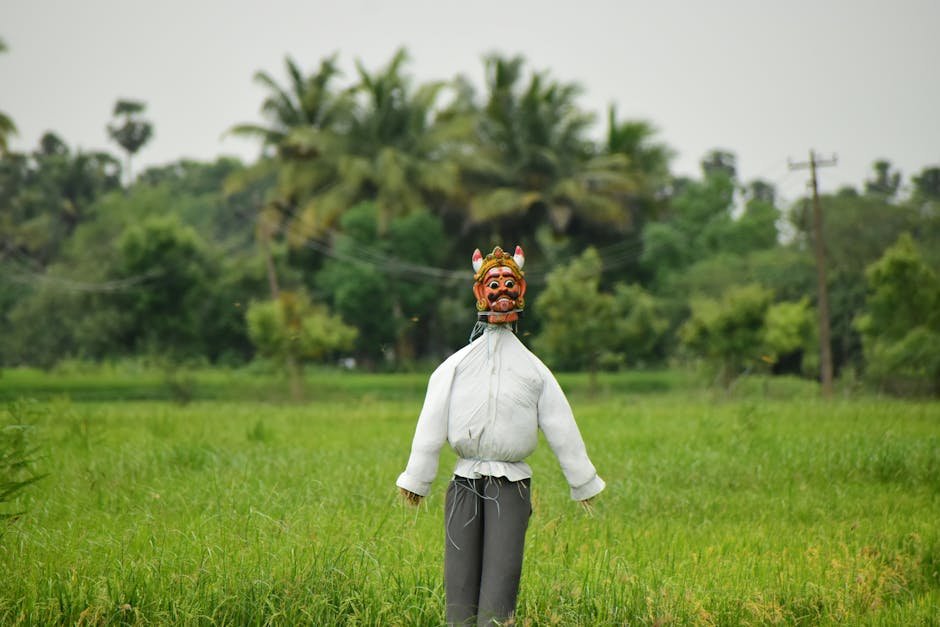
Imagine this village. Deep in Japan’s Shikoku island. Tucked into the Okuiya valleys. Mountains rise. Cedar trees whisper. From far off, it looks… busy. Farmers in fields. A family waits. Kids at school. Then you get closer. And oh boy, you realize the “people” are just hundreds of dolls. Startling. The quiet? Unsettling.
This mountain village, with its living population hovering around just 30 individuals, feels packed with silent onlookers. And these aren’t your basic scarecrows. Each doll has its own gaze, almost a soul, making them less like playthings and more like actual memories frozen still. A super surreal experience, blurring the lines of reality and dream. You’ll get a shiver, promise.
Ayano Tsukimi: The Artist Behind the Dolls
So, who thought all this up? Meet Ayano Tsukimi. The artist making hundreds of these figures. Ayano grew up in Nagoro. Then, Osaka’s big city life called her. But life called her back. At 67, she moved home. To care for her sick father.
The village she knew? Gone. Its population, once around 300, had shrunk to merely 35 mostly elderly residents. Fighting to survive. Her unique project kicked off in 2003, after her dad passed. She made a scarecrow for the field, just like normal to protect crops. But then, tourists started waving at it. A tiny lightbulb flickered on. Ayano just decided to make life-sized cloth dolls, not just as scarecrows, but to remember those who’d left for work or just… passed on.
Lifelike Creations: Dolls in Everyday Scenes
Ayano’s creations are no joke. Over 350-400 unique dolls. Each one got its own character. They’re real human size, dressed in actual clothes, complete with accessories. Straw, wood, buttons, newspaper, paint. Simple materials. But each doll gets a distinctive face. An old man fishing by the river with a cloth fish. Workers in a big vegetable patch. Boots, overalls, hats. All perfectly placed. She puts these dolls carefully in normal village spots, bringing the place to life in this almost haunting way.
Take the school. For example. Closed in 2012 when the last two actual students graduated. Now? Forty doll students and two doll teachers “continue” their silent education. Clock’s stuck at 2 p.m. No classroom antics. No bell. Ayano says she made these child dolls to remember the village’s lost youth. A sad nod to what was. Bus stops, tea shops, building sites. Everywhere in Nagoro. Doll people. Maintained super well. A testament to how much they mean.
A Mirror of Rural Japan’s Challenges
Nagoro isn’t just a quirky art project. It shines a really stark light on a much bigger issue in rural Japan: towns getting empty and lonely. Younger folks move off for work in big cities. Many villages just grapple. Older people. A deep sense of loneliness. Low birth rates, social isolation. All part of the mix.
The Nagoro Village dolls are both a historical record and a real picture of the emptiness. They show a bittersweet message about fast time. About cities changing old communities. And the sheer guts it takes for rural areas to make it. And another thing: the Japanese government even has a ‘Minister for Loneliness’ now. Dealing with all these tough social problems head-on.
Nagoro: A Unique Cultural Destination
But even with the sadness, Nagoro’s turned into a legit cultural and art tourism spot. Visitors from all over. Drawn to its unique vibe. Sure, there are some crazy legends – whispers of a “curse” if you spend the night, turning you into a doll (mostly Halloween hype, let’s be real). But the real draw? The profound experience.
The dolls saved the village from being totally alone. Transforming it into a hot spot for art and culture. It’s a compelling example how creativity can rise from loss. Intriguing for art lovers and anyone into human stories.
The Blended Experience: Wonder, Unease, and Annual Festivities
Strolling Nagoro’s silent streets. You’re hit with a strange mix. Wonder and unease. These lifelike figures, though still, radiate a presence. They reflect community memory. The relentless march of time. And the clever ways communities find to cope with change. It’s powerful. Part art gallery. Part quiet memorial.
Because if you ever find yourself going to Japan, and your timing lines up with the first Sunday of October, go to Nagoro. You can catch their annual festival. A celebration of this truly unique tradition. It’s a chance to see the community embracing its distinctive self, honoring its past. Navigating its future. One doll at a time. This isn’t just a village. It’s a living, breathing, quietly unsettling testament to how tough people are.
Frequently Asked Questions
Q: Who created the dolls in Nagoro Village?
A: Local artist Ayano Tsukimi. Made them to represent old villagers and fight loneliness.
Q: What materials are used to make the dolls?
A: Straw, wood, buttons, newspaper, and paint. Simple stuff.
Q: When is the annual festival held in Nagoro Village?
A: Early October. Specifically the first Sunday of the month.