Mercedes’ Solar Paint: Could it Really Power California EV Road Trips?
Ever wonder if California’s never-ending sun could actually juice up your ride? We’ve all been there: happily cruising, then BAM! Panic hits. That EV battery’s practically empty, and the closest charging spot? Feels like a thousand miles away. What if your car just… kept charging itself? That’s what Mercedes-Benz is after with their “solar paint” tech. A total game-changer for Solar Powered Cars California. Forget big, clunky roof panels. We’re talking about the whole dang car body soaking up those rays.
Mercedes-Benz’s Solar Paint Tech: No Joke
This isn’t some flaky idea dreamed up on a napkin by a tech bro. Mercedes-Benz just showed off a real, heavy-duty research push. They’re focused on what they call “solar paint.” The idea? Simple enough. The engineering, though, is absolutely wild.
Imagine solar stuff, but instead of stiff glass squares, it’s a paste. You can just spray it right onto a car’s metal panels. We’re talking a layer just 5 microns thick. Then a super-thin coat of protection over that.
This isn’t just a shiny new thing. The whole point is for this hidden solar gear to keep feeding the battery its whole life. It won’t ditch charging completely, not yet, anyway. But it should seriously cut down on how much energy your car needs from the grid.
Super Thin, Super Light, and It Works!
One of the biggest headaches for putting solar on cars? Weight. Regular solar panels are heavy. Mercedes’ new way hits that problem hard. This spray-on solar stuff is crazy thin and light. It weighs only 50 grams per square meter. Think about that. Almost no extra bulk. But potentially tons of added range. Sweet.
Because Mercedes isn’t spilling all the classified details, experts figure they’re probably using perovskite-based cells. These minerals, with their weird crystal patterns, work great for spray-on jobs. And they show real promise for making power efficiently. They could even match the 20% efficiency you see in many normal solar panels. And another thing: this isn’t just new to Mercedes. Brainy folks have been messing with spray-on perovskite cells since the mid-2010s.
Full-Body Solar? Total Game Changer!
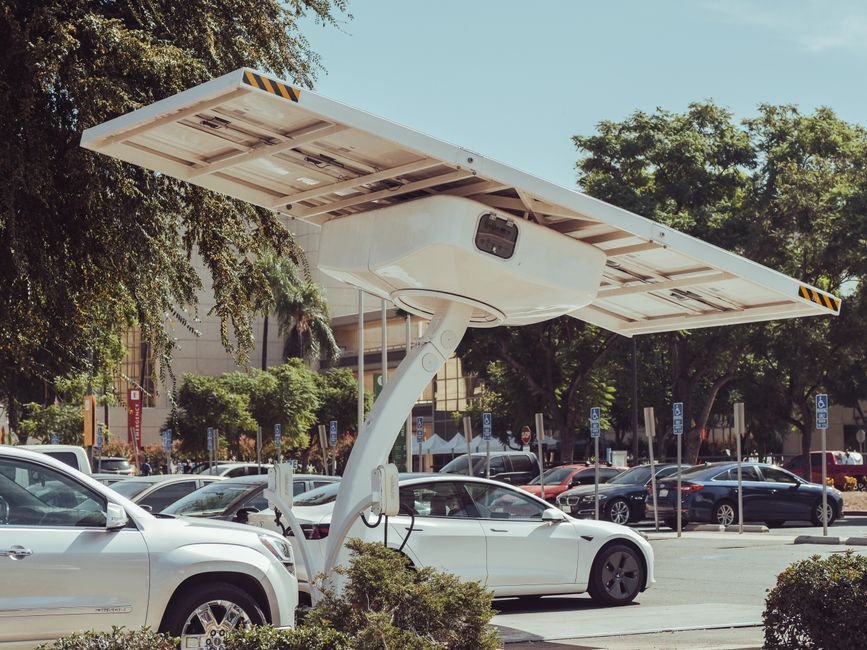
Before this, cars with solar panels usually stuck them on the roof. A small spot. Barely 3 square meters, if you were lucky. Even with the best sun, that only gives you a tiny trickle of power. Trying to charge a 75 kWh battery with just a roof panel? That could take over 600 hours! Not exactly a quick stop.
But now, imagine covering the entire car. Doors, hood, trunk, fenders – all coated in this solar paint. We’re talking about potentially 12 square meters of solar area! Engineers figure this whole-car approach could grab 3.5 to 4 times more energy than just a roof panel. That’s a massive difference.
Big EV Range Boost Coming!
So, what does this actually mean for your daily drive? Or that killer road trip up the coast? We’re not talking 100% off-grid yet. But the numbers look good. With full-body solar, that same 75 kWh battery could get a full charge (just from the sun!) in about 157 hours. That’s roughly 6.5 days. Still a long time. But it means constant, passive charging while you’re parked or driving.
And get this: Mercedes-Benz engineers are predicting some serious extra mileage. In places with tons of sun, especially Southern California, this tech could add up to 20,000 kilometers (over 12,000 miles!) of range every single year. Even where it’s not as sunny, they’re guessing 12,000 km. That is a huge jump. It makes those long drives a lot less stressful.
The Road Ahead: Real-World Problems
This “solar paint” sounds like something out of a movie. But it has real problems it needs to beat before everyone’s got it. First up: Make those solar panels better. More juice from the sun. That’s how we get closer to cars truly charging themselves.
Then there’s the big one: cost. Right now, custom solar stuff is expensive. We need everyone making a bunch of it so the prices come down for regular folks.
Finally, durability is super important. Cars take a beating. Fender benders. Bad weather. Runaway shopping carts. These solar panels have to last through daily abuse and still keep making power. Nobody wants to shell out for repairs on a solar-painted car after a small ding.
Good News for Big Rigs & Self-Driving
While we all dream of solar passenger cars, this tech might actually show up sooner on bigger vehicles. Think about those huge semi-trailers. Imagine one completely covered in solar paint. It could power its refrigeration systems. Or even feed the truck’s main battery. That’s a huge energy chance.
And here’s a thought for the future: self-driving cars. If humans mess up less, the chance of crashes drops way down. This means less likelihood of damaging those valuable solar panels. It makes investing in solar paint way more sensical. The less a car crashes, the more sense full-body solar makes.
Greener Road Trips for the Golden State
Bottom line? This Mercedes tech could seriously upgrade our road trip setup. Less hunting for chargers. More cruising. Super important for those trips into California’s remote deserts or up those winding highways where chargers are hard to find. It could make sustainable travel the normal thing, not just a choice.
The sun here is non-stop. A huge plus. Putting all that free energy to work on our EVs? Now that’s a smart idea, right?
Frequently Asked Questions
How much extra range can solar paint REALLY add?
Mercedes-Benz engineers figure that this full-body solar setup could add up to 20,000 kilometers (that’s roughly 12,000 miles) of range every year in sunny spots like parts of California. For less sunny areas, they’re talking about 12,000 km.
Is this tech totally new, or has it been around?
Well, Mercedes-Benz is definitely doing it first in actual cars. But the basic tech, especially spray-on perovskite cells, has been researched by scientists since 2009. Spray application methods became a big focus around 2015.
What are the biggest problems for getting solar paint on every car?
Biggest problems include making the solar panels more efficient, bringing down production costs by making it in big batches, and making sure the solar paint lasts through daily driving and potential accidents.