Unfurling the Real Story: California’s Historic Missions
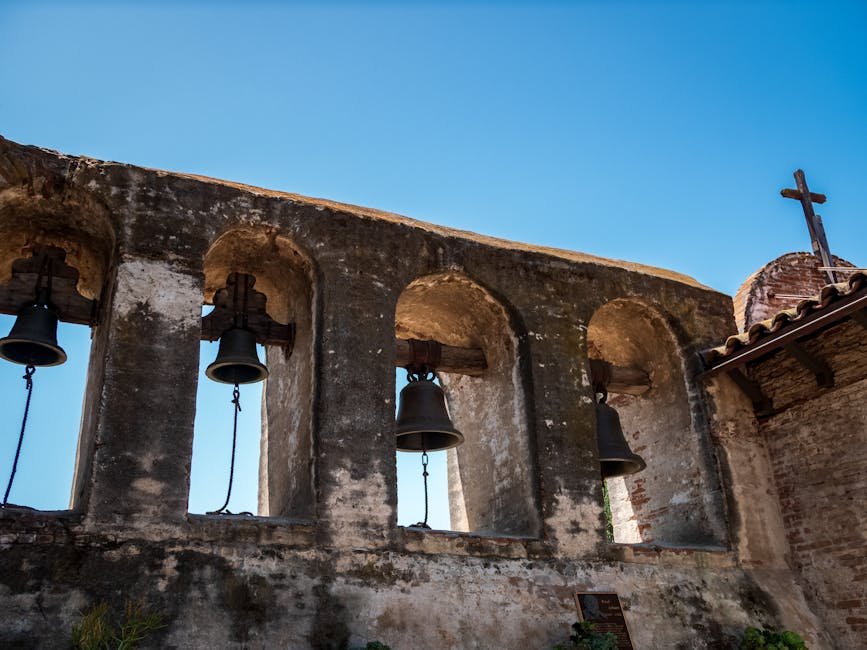
Ever thought about California Missions History? What really went down? Beyond the pretty courtyards and bell towers, yeah. Because there’s a complex, sometimes brutal, story of power plays and social engineering waiting. It’s about how Spain tried to flip this whole corner of the world, pulling indigenous communities into a totally foreign setup. And it wasn’t just about faith. Nope. It was super about control.
California Missions Weren’t Just Buildings; They Were Central To Spanish Power Play
Picture the missions like big ol’ anchors for a colonial setup. Spain, they weren’t playing around. They wanted one united territory. One vision, too, everywhere. Language, existing customs, spiritual stuff? All pushed aside for a singular Spanish way of life. The missions? Key spots for this bold plan, centralizing power and goods. They shaped early California big time. But were they just churches? Nah. State policy instruments. That’s what they were.
Big Guns Ruled: Founders & Governors Shaped Everything
Like old empires with their epic leaders, the California Missions definitely had powerful folks who left a big mark. These mission founders and early governors? They often had total say. Builders, money managers, spiritual guides—all rolled into one person. And another thing: their decisions, sometimes pretty bossy, kicked off huge building jobs and land grabs. Literally remaking the land and rules for decades. The whole feel of a mission could totally shift based on who was calling the shots.
Mission Design: Not Just Pretty, It Was Functional
Pop into almost any mission today. You’ll quickly see it wasn’t just for church on Sundays. These places? Made to dazzle. Often super massive. They were always the biggest, most in-charge buildings for miles, showing everyone who was boss. Past the chapel doors, you’d find offices, workshops, living spots, farms, and storerooms—all connected. It wasn’t by accident. This design was basically the blueprint for a self-sufficient, controlled, real bossy community. It helped Spain get tons of things done.
Inside the Walls: Daily Life & How They Ran Things
Forget “simple” living. Nope. Daily life in a mission was super structured. Everything from what work you did to what food you got? Totally decided at the top. But yeah, there might’ve been some talks or gatherings. But authority? Always with the padres and head honchos. Goods, work, your social spot, it all got managed all the time. These places made a really complicated—and often harsh—social pecking order. It told you what to do, even your daily chores, right down to the last detail.
Exploring the Missions: Don’t Just Glance, Dive Deep
To really get what these places mean, you can’t just walk through. No. Treat it like a school project. Before you go? Hit the books. Find out that specific mission’s actual tale. And take a map and a notebook. Gotta jot down what you see, sketch cool architecture, or write down questions that pop up. Take photos. But also, use your brain to picture it. Get in there. Because don’t just look at a nice building. Try to picture the insane amount of people working, the political games, and cultures clashing. It’s how you truly understand the California Missions History. It is.
FAQs
Why were California Missions such a big deal for Spanish rule?
Not just churches, no way. They were super critical to Spain’s plan for the whole territory. They aimed to gather all the different native groups, make them one Spanish-controlled bunch. It was about showing who was in charge, politically and socially.
What was daily life like for Native people in the missions?
Life was super structured. And bossy. Daily routines, from working the fields or shops to going to church? Strictly set by the mission padres. Local leaders, even if they existed, always reported to the main authority. They controlled everything. Food, work. Everything.
Best way to check out a mission site?
Go beyond a fast visit. Seriously. Do your homework beforehand. Look up that particular mission’s story. Bring a notebook to jot stuff down. Sketch details. Or write questions. Take pictures, yeah. But also really get into it. Imagine the complex social and political dynamics that were alive back then. It’s the only way you get the real deal.