The Real Deal with ASUS: How a Taipe Startup Became a Tech Giant
What if a tech giant didn’t start in Silicon Valley? What if it kicked off in Taipei, Taiwan, back when their country was barely a blip on the global tech radar? That’s the nitty-gritty, inspiring story of ASUS company history. Picture the scene in 1989: Big names, IBM and Intel, ruled the roost. Taiwanese manufacturers? Stuck waiting six months – sometimes more – for new processors. That’s hella long in tech time. An eternity, frankly.
ASUS Started Small in 1989. Then They Blew Up the Motherboard Game
So, four ambitious engineers. Tang, Tetsu, Vinaye, and MT Lo. All ex-Acer, Taiwan’s biggest tech firm at the time. They had skills. Seriously brilliant tech minds. And endless ambition. Boundless curiosity. A quick chat in a Taipei coffee shop quickly sparked a huge idea: Build a tiny, but amazing, company that wasn’t afraid to push boundaries.
The name “ASUS”? It’s from Pegasus, the Greek myth horse. Symbolizes strength, purity, wisdom. But there was a smart move. They just used the last four letters. Why? Alphabetical listing, simple as that. Strategy? Baked right into the brand. From day one.
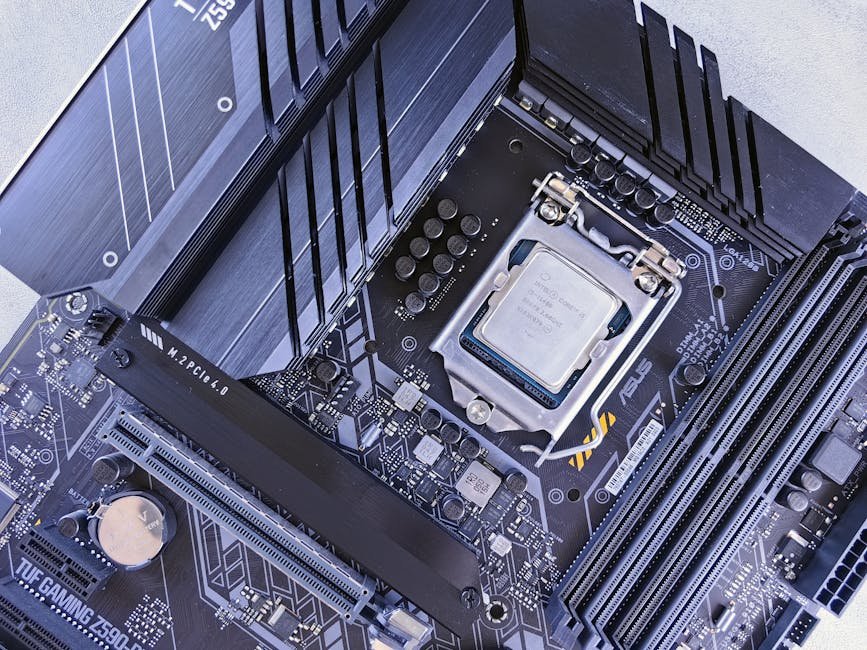
Started in 1989 with a cool $1 million, ASUS initially just designed stuff. A design house. No manufacturing pressure. Just pure innovation. Their first target? Motherboards. The actual brains of any computer, linking everything together: CPU, memory, graphics.
Then 1990 rolled around. Intel dropped the i486 processor. Usually, you needed the physical chip to design a board for it. ASUS? Had nothing. Just public technical documents. Yet, these four engineers, working purely from their smarts, whipped up a 486-compatible motherboard prototype. Crazy, right? The even crazier part? Intel’s own 486 motherboards had big problems. Unfixable. ASUS’s prototype worked perfectly. No adjustments needed. Intel engineers were stunned. Truly. ASUS’s design was just better.
This huge moment opened the door. A special, long-term deal with Intel. ASUS earned major trust. And they got Intel engineering samples months before anyone else. In that wild, fast-moving hardware world, that early access? Pure gold. By November 1990, ASUS launched its very own AA486 motherboard. This wasn’t just a win for ASUS. Because it put Taiwan on the map. A global spot for high-quality IT products. That first full year? ASUS raked in $30 million. By 1995: World’s number one motherboard maker. But they quickly learned one thing: sticking to just one product, even a super popular one, wouldn’t work forever. Nah.
They Went Beyond Motherboards. Laptops on Everest? In Space? Yep
Mid-1990s. ASUS totally owned the motherboard scene. World leaders. But the guys who started it? They knew success isn’t forever. Money margins shrinking. Competition fierce. The PC world? Exploding into new stuff: graphics cards, optical drives, networking bits, laptops. ASUS had to keep up.
The first big jump? Graphics cards in 1996. 3D graphics were emerging. ASUS launched its first cards. Immediately set new standards. For PC gamers. And pros. Their engineering skills, already clear in motherboards, shone here too. Optical drives came next. By 1997, ASUS made its own CD-ROM drives. Quickly went to DVD-ROMs, writers, combo devices. They weren’t just making gear. They were making it work better.
In 1998, their first laptop hit the market. Now, back then, portable computers were pricey. Heavy. Awful battery life. ASUS’s models? Stood out. Strong builds. Great cooling. Early hints of the engineering smarts that would make Zenbooks famous later. And another thing: that same year, something amazing happened. It cemented ASUS’s global name. Their P6300 laptop. Went on a Mount Everest expedition. Flawless. In -30C. Low oxygen. Extreme pressure. Not just an ad. A marketing triumph. Proof of reliability. Tough conditions.
ASUS didn’t stop at Everest. They went for space. Later in 1998. The P6300 laptop. Spent an unbelievable 600 days on Russia’s MIR space station. Zero issues. Defying radiation, zero-gravity, vacuum. A true engineering wonder. And invaluable for their brand. These feats? Priceless.
By 1999, ASUS grew its motherboard share even more. Became a leader for Intel, AMD, VIA boards. Also went into business gear: server motherboards, workstation setups. The early 2000s? ASUS diversified into basically all hardware categories: Nvidia and ATI graphics cards, routers, switches, wireless adapters. Some became top-tier stuff for home networks. In 2003, they started making LCD monitors. That was the start of the awesome ProArt (for pros) and ROG Swift (for gamers) series. Soon, they dominated the high-end market. Amazing color. Fast refresh. Low lag. Same year, ASUS even played with cell phones. Simple PDA-like devices. Paved the way for the Zenfone series. Also, remember the 2005 Lamborghini VX1 laptop? Super fancy. Put ASUS in the prestige club. Not just tech.
Specialized Brands Emerge: ROG for Gamers, ProArt for Creatives. So Strategic
- ASUS unleashed Republic of Gamers. ROG. This absolutely changed gaming hardware. Not merely some products. An entire world. For competitive play. High-end motherboards, graphics cards, gaming laptops, and accessories. ROG quickly became the word for “the best” in esports. And among gamers. All helped by sponsorships. And events. Some ROG products were even built for breaking overclocking records. Shattering world benchmarks using crazy cooling methods like liquid nitrogen. Seriously.
But ASUS wasn’t solely focused on gamers. Other specialized markets needed love too. The ProArt series. Built for creative professionals. Monitors with insane color accuracy. (Delta E2 levels precise!). Factory-calibrated screens. Powerful workstations. For photographers, videographers. Any creative. Innovative designs like the dual-screen ZenBook Pro Duo. And the keyboard that detaches on the ROG Mothership gaming station. These showed ASUS was really challenging what a computer could be. Simple message: innovate or get left behind. Their motto, “In Search of Incredible,” wasn’t just marketing copy. It was proof of devices tested in Everest’s winds. Under cosmic radiation. Antarctica’s fierce chill.
The Big Breakup: ASUS and Pegatron Split in 2008. Good Move
Mid-2000s. ASUS was growing big. Its own products. And as a huge OEM maker. But these two ways of doing business started bumping heads. On one side, ASUS wanted premium products, its own label. On the other, it supplied parts to giants like Dell, HP, Apple. This split setup caused big conflicts. ASUS was making MacBooks’ motherboards. And selling its own premium laptops. So. Naturally, some OEM clients started seeing ASUS as direct competition. Conflict, right?
2008 arrived. A radical move. Split ASUS into two kinds of businesses. The point? Boost brand identity. Make manufacturing independent. The result: three separate companies were born. ASUS, focused solely on its brand: laptops, motherboards, graphics cards, monitors, phones, accessories. Then Pegatron, handling all the OEM and ODM manufacturing for other brands. And Unihan Corporation, concentrating on mechanical parts like cases and cooling. This split? Official on January 1, 2008.
Why the split? Two huge reasons: brand image and flexibility. Financially? Super smart. Pegatron got huge fast. Multi-billion-dollar deals with Apple, Toshiba, Sony. ASUS, freed from making massive amounts of stuff, could now focus all its energy on brand innovation. And marketing. Really boosted their profit margins.
But. This separation meant ASUS didn’t directly control most production anymore. New dependency on the supply chain. Sure, Pegatron was still tight with them. But ASUS lost the speed to make immediate changes on the production line. That impacted future product launch times. Post-split, ASUS did a whole brand overhaul. “Inspiring Innovation Persistent Perfection.” And the “In Search of Incredible” campaign. A direct, storytelling message for regular folks. This era saw the super-thin Zenbook series get ready. And the ROG gaming tech just exploded. Motherboards to monitors. Initial money results after the split? Way better than expected. It totally changed how people saw ASUS. From a hidden OEM to a hot, innovative tech brand. Paved the way for their big dive into smartphones, tablets, and hybrid gadgets in the 2010s.
‘World’s First’ Company. Over and Over Again. Amazing
As ASUS rolled into the 2010s, it wasn’t just a hardware company. It was a symbol. Pushing tech boundaries. They had a ton of products. But what truly set them apart? Their landmark engineering feats. This era solidified ASUS’s fame as a “world’s firsts” pioneer. That P6300 laptop working on Everest? And 600 days on the MIR space station in 1998? Still powerful marketing points. ASUS kept building on that reputation for solid reliability.
The list of “world’s firsts” for ASUS is hella extensive. Big time:
- 2007: Revolutionized ultra-portable computers. The Eee PC series. Lightweight, cheap, internet-focused. It started the whole netbook trend.
- 2008: First graphics card with 1 GB of GDDR3 memory. Boom.
- 2010: Rampage III Extreme. The world’s first motherboard packing 12 GB RAM capacity.
- 2011: Zenbook series debuted. Directly challenged Apple’s MacBook Air. Super thin aluminum. SSD storage. Fast boot times.
- 2012: PadFone. Hybrid device pioneer. A phone that docked into a bigger tablet. Wild idea.
- 2014: Zenfone series. Super aggressive price-to-performance. Android and Intel Atom. Blew up, especially in Asia.
- 2015 Zenfone 2: First smartphone with 4 GB of RAM. Major for Android multi-tasking.
- 2016 Zenfone 3 Deluxe: First all-metal body smartphone. Invisible antennas! Crazy.
- 2017: ROG Swift PG35VQ. First 35-inch ultra-wide monitor with a 200 Hz refresh rate.
- 2018: ROG Phone launched. A dedicated mobile gaming device. High-refresh AMOLED screen. Special cooling. Bunch of accessories. Also that year: ZenBook Pro Duo. ScreenPad Plus concept. Its own secondary screen. And ROG also released the world’s first 240 Hz FHD monitors, and 4K 144 Hz HDR monitors.
- 2019: 30th anniversary: ZenBook Edition 30. Limited edition. Gold details. Nice. The Zenfone 6. Unique flip camera. Rear cams mechanically rotated to face front. Same killer lens for all shots.
- 2021: Entered portable gaming PCs. Flow series. ROG Flow X13. External GPU support. Redefined compact gaming.
- 2022: ZenBook 17 Fold OLED. First ever foldable OLED laptop. Under-display camera tech.
- 2023: ROG Ally. Officially into handheld gaming consoles. Windows-based. It’s a console and a full PC.
More Than Just Gadgets: Green ASUS, Recycling, and Giving Back
Beyond just endlessly making faster, sleeker stuff, ASUS also started really caring about the planet and people. This kicked off mid-2000s. Sustainability? Often an afterthought in tech. But ASUS put a system in place. They changed that.
ASUS’s green goals were simple. Less power use for products. More Energy Star approvals. No hazardous chemicals in manufacturing. Using recycled plastics. And aluminum. Cutting down their carbon footprint. Good waste management. In 2008, they launched “Green ASUS.” Made sure all products met tough hazardous substance rules. By 2010, an amazing 90% of their motherboards, laptops, and monitors met those guidelines. Also, ASUS put serious cash into EPAT certification. Over 50 models earned the EPEAT Gold standard. And by 2020, more than 200 of their laptops were Energy Star approved. This was crucial for big corporate buyers in North America and Europe.
In 2006, ASUS started its Recycling program. Free take-back for old devices. For customers. By 2010, this program was in over 40 countries. In 2019 alone? Recycled 1.2 million kilograms of e-waste. Some laptop cases now use up to 30% recycled plastic. Looking at the future, ASUS is aiming for operational carbon neutrality by 2035. That’s for everything: production, supply chain, logistics. Whoa. As of 2022, 45% of its factory energy came from renewable sources. And they switched to sea and train shipping. To cut carbon emissions in logistics.
ASUS’s care also reaches into social stuff. And education. The ASUS Foundation. Donated over 50,000 laptops. And scholarships. To underprivileged students. Between 2008 and 2020. Part of their Digital Inclusion Program. Plus. Internet infrastructure for rural communities. The Women in Tech initiative? Scholarships. Mentorship. To get more ladies into engineering and software. And another thing: ASUS has provided emergency relief globally. Donated $1 million in tech during the 2011 Japan earthquake and tsunami. Hundreds of thousands to environmental groups during the 2020 Australia bushfires. Even their packaging is doing good. FSC-certified recycled paper. Environmentally friendly soy-based inks. Prevents thousands of tons of plastic and chemical waste annually.
The 2030 Vision: AI Everywhere, Foldable Screens, And Humans First
ASUS’s 2030 vision goes way beyond just making hardware. Far beyond. It’s about being a full-on tech solutions provider. The goals are ambitious, too: every device will have advanced, AI-powered software. Moving past just selling gadgets. Into cloud storage. Security software. Remote management. Full stop.
The company is determined to hit complete carbon neutrality across all its stuff by 2035. Showing they’re serious about a sustainable future. Crucially. ASUS plans to totally redefine computing itself. Imagine foldable displays. Holographic interfaces. Augmented reality solutions that change how we mess with technology. Everything.
This future plan? Built on a simple belief: tech should make human lives better. Not just faster. ASUS has a human-centric philosophy: people should guide technology, not the other way around. It’s a practical, forward-thinking approach. Innovating, yes. But keeping people, and the planet, right at the core of it all.
FAQs (Quick Hits)
Q1: When/where was ASUS founded?
1989, Taipei, Taiwan. Four ex-Acer engineers. Simple.
Q2: Early engineering cred? How’d they get it?
Intel partnership, 1990. They built an i486 motherboard from just documents. Intel’s own designs had issues. ASUS’s: perfect. So, early access to Intel stuff. Big deal.
Q3: The 2008 Pegatron split? Why even bother?
Super strategic. Separated ASUS’s consumer brand (laptops, etc.) from its manufacturing for other brands (Pegatron). Let ASUS really focused. Boosted profits. Stronger market presence. Clearer brand.