San Francisco’s Internet Archive: Aaron Swartz’s Digital Legacy. Big Deal in California
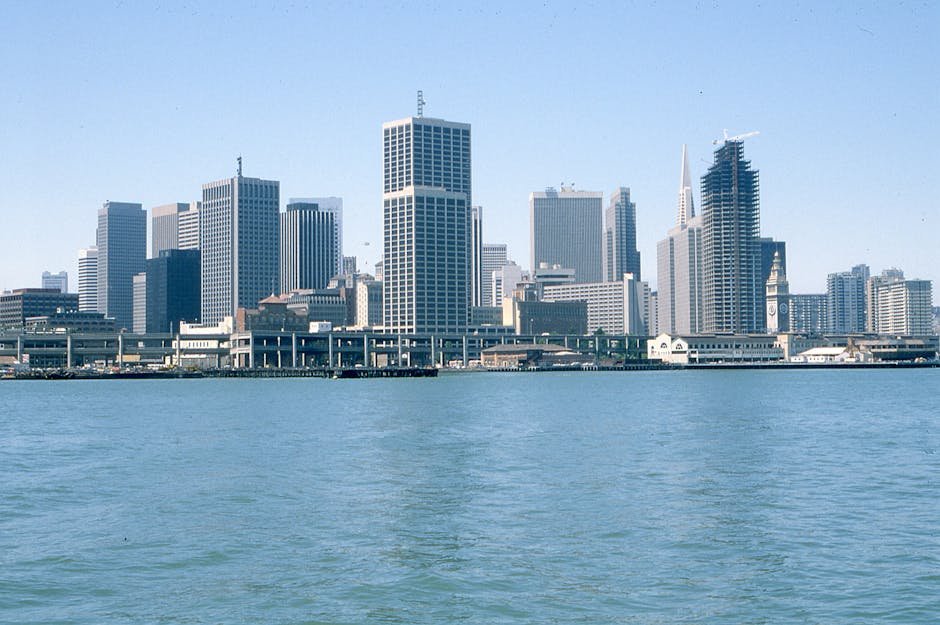
Ever think about who actually built the internet? The stuff we use constantly? Or maybe, who battled to keep information free, not stuck behind a paywall? You gotta go to the San Francisco Internet Archive. Totally a Golden State landmark that rocks a statue for this absolute legend: Aaron Swartz. Unveiled on his birthday, too. Pretty powerful. Massive draw for folks into tech tourism, especially if you get that wild, creative Bay Area vibe. Not just a building, really. It shows a life cut short. And a legacy still changing our whole online scene.
Aaron Swartz: San Francisco Landmark for Tech Tourism
Okay, so the Internet Archive. It’s this super important place that tries to keep literally everything digital safe. Good spot for the Aaron Swartz statue, right? Because it’s not just some random thing. This is a big deal for anyone checking out tech spots here in San Francisco. Swartz? A programming whiz. Real pioneer. He wasn’t even about the cash, honestly. He just totally felt info should be free for everyone. And the statue? It’s a real, in-your-face reminder about what he stood for. And what it cost him. Standing there, it’s hard to just shrug off his story.
Early Disruptor: Built the Internet, From California
Swartz, man, he got started young. Right there at the dawn of the internet. Born in Illinois in ’86. Since he was a little kid, he was just into computers and coding. Knew tech was gonna change everything. Totally saw it. He was always tinkering, trying to organize stuff, fix broken systems. Read at three. Wow. School? Not his scene. Teachers were too bossy, homework dumb. And that’s how he saw everything: society, business, even how the government and justice system worked.
At just 12, back in 1999, Swartz started “The Info Network.” Think Wikipedia, but before Wikipedia. User-created, too. It won him an award. ARS Digital, with a grand prize! And a trip to MIT. That MIT visit? Huge for him. Totally hooked on the open-source vibe there. By 14, he’d helped write the RSS 1.0 spec. That’s a basic web publishing thing. Then, at 15, just a year later, he was key to building the tech for Creative Commons. An actual organization that changed how copyrights work. Gave folks more freedom. Seriously, this dude built the internet itself while other teenagers were just chatting on AIM. Crazy.
The Fight for Digital Freedom: From California to Global
His passion wasn’t just coding. It was about freedom. After a short, kinda lame time at Stanford, he knew what his deal was: free information and make the world better. And that’s what his activism became. He felt it was right to take scientific and cultural stuff—which was fast getting digitized and then locked up by big companies—and just share it. With everyone.
So, his activism got real. In 2008, he penned the “Guerrilla Open Access Manifesto” that everyone talks about. Also that year? He went after PACER, that U.S. court records system. They charged money for documents that should’ve been free! Swartz called it a “tax on access to justice.” He snagged millions of federal court files. Oops. Exposed privacy problems, too. That got the FBI on his case. And another thing: he was key in getting Demand Progress hyped up to fight SOPA and PIPA, these internet censorship laws that seriously messed with digital freedom. Remember January 18, 2012? Wikipedia, Reddit, Google, more than 115,000 other sites went dark. That was him. Showed how much power people have when they work together against corporations and the government. Not a hobby. This was hella serious.
IP & Online Rights: A California Talk
All those fights about intellectual property and online rights? Yeah, especially the ones tweaked by California’s tech stuff? That’s what Aaron Swartz lived for. His whole crazy legal mess with JSTOR, an archive of academic papers, really spotlighted these problems. Swartz believed journals—often with research we paid for via taxes—shouldn’t be locked behind cash-only walls. He called it “stolen by private companies.” Our cultural heritage.
But then he tried to grab millions of those articles, through MIT’s network. It got him arrested. Federal indictment, too, all under the Computer Fraud and Abuse Act (CFAA). This old-school 1986 law? It was for big cyberattacks. But they stretched it to make even breaking a website’s “terms of service” a crime. Man, Swartz faced decades in jail! Even though JSTOR dropped their lawsuit. And even though they asked the government to drop its case. His story? It just makes you think: how much control do we really have over information? And how much power do courts have over what we do online? Kinda uneasy to talk about. But it’s gotta be said. In our tech world, it’s unavoidable.
Internet’s Story, Through Swartz’s Eyes
Aaron Swartz’s life? It gives us this huge backdrop for understanding how the internet grew. And what it did to society. He didn’t just help build it. But he also pushed for it to be open and free. His sad death, by suicide in 2013, came from the insane pressure of the federal case against him. That totally set off a country-wide talk about prosecutors behaving badly, how stupid the CFAA was, and what open access really meant going forward.
But his legacy? Still rocking. Academics banded together for #pdftribute. Shared copyrighted articles, just for him. “Aaron’s Law” came up, trying to fix the CFAA. And folks are still pushing to make sure all taxpayer-funded research is public. He made it into the Internet Hall of Fame after he passed. And “Aaron Swartz Day” (November 8th, his birthday) celebrates him every year, with events for open access and progressive politics. His whole life shouts that just being here isn’t enough. We gotta question everything. And then work to change it. His story shows just how much one person can do. And how much it can cost. Powerful vibe, for real.
Frequently Asked Questions
Q: What early internet stuff did Aaron Swartz do?
A: He helped write the RSS 1.0 spec at 14. At 15, he helped build the tech for Creative Commons. Oh, and he became a co-owner of Reddit when his company, Infogami, joined forces with them.
Q: What kind of activist was Swartz?
A: Big stuff. He freed court documents from PACER. Wrote that “Guerrilla Open Access Manifesto.” And helped start Demand Progress, which got a global protest going against those nasty internet censorship bills, SOPA and PIPA, in 2012.
Q: Why is Swartz’s story still a big deal for IP and online rights?
A: Because him getting busted for just downloading articles from JSTOR? That showed everyone the huge problems with open access. And how intellectual property laws could go too far. Plus, how intense the Computer Fraud and Abuse Act (CFAA) was for online actions. His whole fight keeps those arguments going: who owns information, and how do we keep our digital freedoms safe?