Kansai Airport Sinking: A Japanese Engineering Head-Scratcher
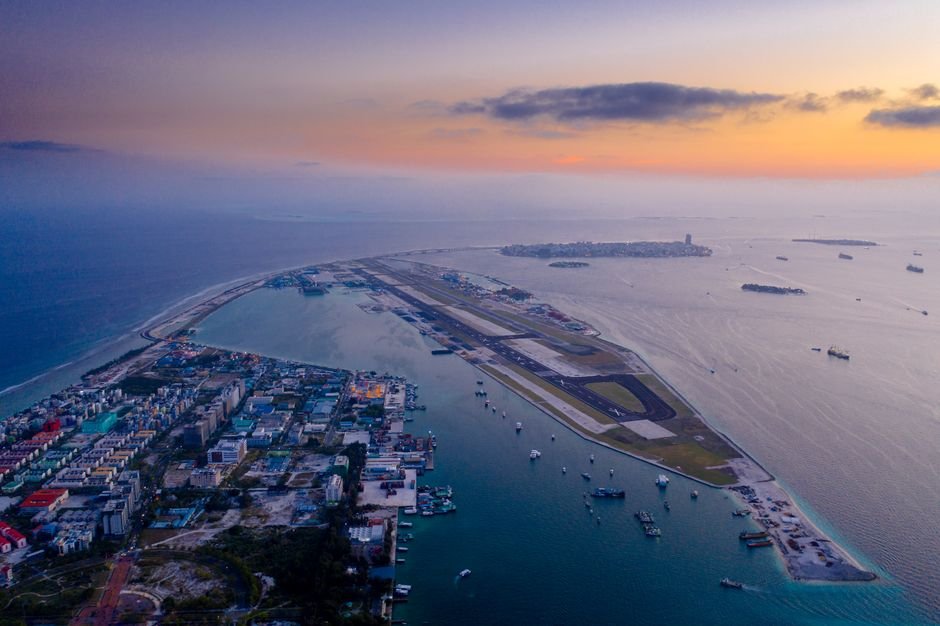
Imagine an airport. Built on an artificial island, miles out at sea. Sounds kinda wild, right? But here’s the kicker: it’s slowly, steadily, inexorably sinking. Welcome to Osaka, Japan’s Kansai Airport Sinking, a modern marvel. Also, a hella expensive engineering puzzle. This isn’t just some little dip, nope. It’s a multi-billion-dollar fight against the ocean floor itself, an epic struggle unfolding right under busy runways.
KIX: Building an Island Because We Had To
Japan? Super crowded. No secret there. Over 120 million people cram into tiny spaces. Why? Because almost 70% of the country is covered in mountains, some of them spewing lava! Flat land? A totally precious thing, especially in busy spots like Osaka and Tokyo where folks live practically on top of each other. By the 1980s, Osaka desperately needed another airport. Space? Nonexistent.
So, engineers did what Japanese engineers usually do: they got clever. You can’t build on land? Fine. Build your own land. That bold idea led to Kansai International Airport, built 5 kilometers offshore in Osaka Bay. Massive undertaking. An entire fleet of about 80 ships worked non-stop, for years, to create this new area.
Getting there is pretty easy. Thanks, Japan’s amazing rail system. From Osaka’s terminal, travelers can choose between regular and Limited Express trains. Just a 40-minute, 30-35 kilometer trip. Once you arrive, the airport itself is pretty much automated: self-service check-in; bag drop? Totally normal. A system that reportedly saves a bunch of cash on staff.
Smart Guys, Tough Earthquakes
Building an island in an earthquake-prone ocean isn’t for the faint of heart. Engineers didn’t just dump a pile of rocks, though. First, they sank massive steel cylinders into the seabed. Basically, they made an 11-kilometer-long ‘pool’ in the middle of the ocean. This contained structure? Then filled with tons and tons of earth and rock. 21 million cubic meters! Harvested from three different mountains.
But here’s the thing: the design wasn’t rigid. It was built to move. Seismic isolators and special joints let the whole structure sway with an earthquake. Absorbing the shock instead of fighting it.
This clever plan got its big test in 1995. The devastating Hanshin earthquake ripped through Japan. Killed thousands. But at KIX? Surrounded by a huge mess all around, not a single window cracked. Totally proved them right.
Oops: It’s Sinking Way Faster Than Anyone Thought
Sounds like a success story, pure genius. Except Kansai Airport is slowly, steadily, sinking into the ocean still. The culprit isn’t bad building. Not crummy stuff. It’s what’s deep, deep beneath the ocean floor. The airport sits on two main layers of clay. Think of clay like a sponge full of water. Put something heavy on it. Water squishes out. Sponge compresses and shrinks.
Japanese engineers? Real thorough. Knew this would happen. They came up with a sand drain system to control the water leaving the upper clay layer. Managed the predicted settling. And it worked. The upper layer compressed as expected.
But what they didn’t see coming? The huge weight of the airport made the really deep clay squish, too. This lower layer, which they figured was solid, started shrinking uncontrollably. The airport? Just too big. Began this long, slow trip to the bottom. Totally unexpected.
They thought maybe 8 meters down in 50 years. Tops. In reality? KIX has sunk over 13 meters in just 30 years. And another thing: it shows no signs of stopping.
The Endless, Billion-Dollar Fix-It Job
So, what do you do when your multi-billion-dollar airport is playing a slow-motion game of ‘down periscope’? You fight back. With hella advanced tech, that’s what. It’s a continuous, incredibly expensive rescue job. Underway 24/7.
Over 900 columns hold the place up. Each one has these crazy strong hydraulic jacks. Laser sensors watch everything. All the time. Column too low? Jacks push it up. Stick in steel plates. Flat again. This keeps the airport perfectly flat. No cracks in runways or damage to structures.
And it’s not just the ground level. Climate change? Means rising sea levels. Bigger storms. Typhoon Jebi in 2018? Dunked parts of KIX. Famously. Also, they’re always checking and raising the seawalls around the whole island. Rising sea levels, you know.
The initial construction cost for KIX was projected at around $8 billion. But all these constant fixes? The jacks, the sensors, the seawall raising? The total cost has ballooned to over $21 billion. Basically a money pit. Gotta keep it running, though. Super important place.
KIX: Smart People, Wild Nature
Kansai International Airport is a weird mix of things. It’s a super smart human creation, born out of pure need. Designed really cleverly to fix huge headaches. No land. Earthquakes. It just stands there. Wow, humans built that.
But it’s also a big dose of humble pie. Shows how fancy math bumps into real nature’s craziness. The formulas on a desk? Can only account for so much. Deep ocean clay? Slow, steady pressure. Sometimes nature just does its thing. Ignore engineers.
Will KIX eventually dive into the sea for good? Or will we humans just keep winning? The battle between concrete and clay, between ambition and erosion, is still being waged.
Quick Questions, Quick Answers
Why was Kansai Airport built on an artificial island?
Because Japan has not enough flat land. Most of the country is mountains. No room for big buildings like airports, especially near Osaka.
How was Kansai Airport designed to withstand earthquakes?
It was built to be kind of bendy. No stiff buildings here. Seismic isolators and special joints let the whole thing flex and absorb earthquake shocks. Even worked during the huge Hanshin earthquake in 1995.
What are the main challenges causing Kansai Airport to sink faster than predicted?
Engineers knew the top clay layer would squish. But the huge weight made a much deeper clay layer squish, too. Total surprise. That lower clay, going down. Plus the airport’s massive heft. KIX just kept sinking. Way faster than anyone figured.