California Road Trip: Drive Confident, Spend Less
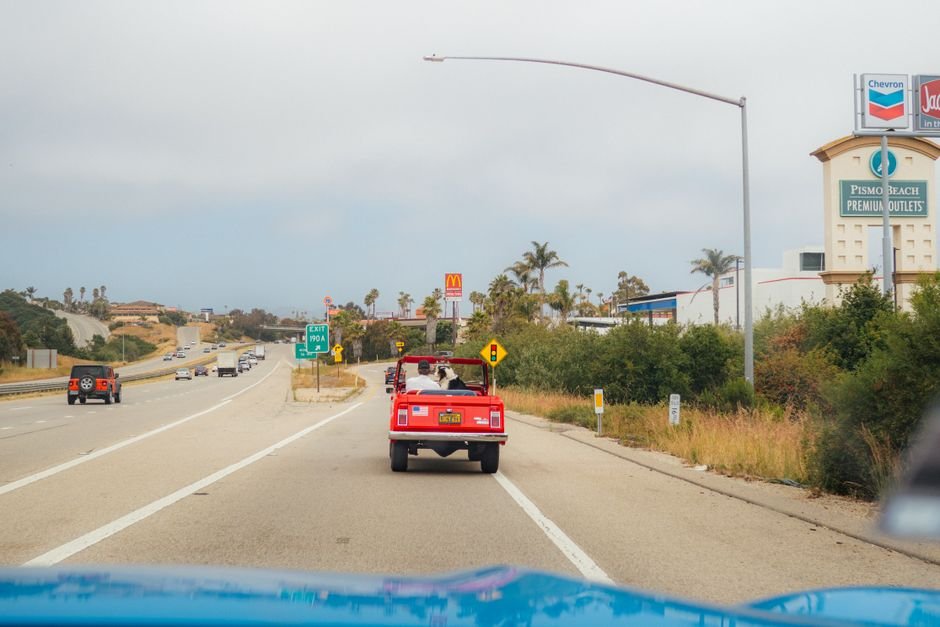
Miles from nowhere. Dead engine. And that killer Pacific Coast Highway view? Not so gorgeous now, huh? Yeah, it’s a hella bad vibe. When you’re planning a California road trip, car reliability is not just a ‘nice to have.’ It’s the rule. Forget the fancy bells and whistles for a second. Let’s talk real talk: getting you from Point A to Point B. Safely. Without repairs blowing your whole budget. Picking the right ride, focusing on California Road Trip Car Reliability, that’s what turns a trip into an epic adventure instead of a nightmare by the side of the road.
Spend Less: Low Maintenance, Great Gas Mileage. Win-Win
The horsepower wars? Forget ’em. You just need a car that sips gas. Out on Highway 1 or cruising desert roads? You want something that doesn’t guzzle it. We’re talking awesome gas mileage. And parts that won’t totally bankrupt you. Every dollar counts, right? Especially with gas prices doing their thing. So, knowing your ride is cheap to keep running? Huge deal. Plus, budget-friendly spare parts? Pure bliss.
Simple Engines? Big Savings
Sometimes, less totally is more. Take a simple 2.0-liter, 8-valve engine, for example. Look, it won’t win drag races. You get around 116 horsepower. Weak, right? And it takes a good, relaxed 14 seconds to hit 60 mph. But here’s the kicker: its simplicity? That’s its superpower. Fewer complicated parts means less crap breaks. These little engines are total workhorses. Built to last. Easy to fix, too. And that directly means lower overall costs for you. Simple.
Timing Belts: Avoid Total Engine Disaster
Here’s real peace of mind. Many powerful engines? They’re “interference” designs. Their timing belt snaps? Game over. Yep. The valves crash into the pistons. Engine’s toast. Instantly. Expensive scrap metal in seconds. Catastrophic, right?
But some engines, like that humble 2.0-liter 8-valve, have a “non-interference” design. Means valves, pistons never meet. Big relief. So if your timing belt quits while you’re booking it near Big Sur, no biggie. The engine doesn’t just eat itself. Your valves won’t bend, and your pistons won’t be punctured. This safety net? HUGE. Often ignored, seriously. But it’s massive for long-term reliability. And your peace of mind.
116 HP: Totally Enough for California
Need 300 horsepower for the redwoods? Or San Francisco hills? Nope. Not really. 116 HP sounds low? On paper, maybe. But hey, it’s more than enough. Totally. Scenic drives, city traffic, whatever California throws. It handles it. You skip the crazy speed. What do you get? Bulletproof durability. And those sweet, sweet fuel economy numbers. Your wallet loves them. Money saved, always. Good trade. More reliable. Less stress. Simple.
Parts: Easy to Find, Easy on the Wallet
Imagine breaking down in a small desert town. Now picture this: you need a part. For your fancy, imported sports car. Two-week wait. From Germany. No good. Pick a car with widely available, cheap parts. That’s smart travel. So important. Cheap, easy-to-get parts? Big difference. Unexpected mechanical issues? Less sting. Keeps your trip smooth. Being practical. Key for California Road Trip Car Reliability. Always.
So, remember this: A cheap car ain’t always reliable. But a simple, well-looked-after car? That’s pure gold. Drive smart, explore more.
FAQs, but like, for real
Why go simple with 8-valve engines on a road trip?
Because. Reliability. And seriously, big cash savings. These engines usually need less maintenance. Great gas mileage, too. Simpler design? Fewer complex issues, so less going wrong. Way more dependable for extended travel.
What’s a “non-interference” engine design, and why does it matter for California Road Trip Car Reliability?
It means if the timing belt busts, the valves won’t smash into the pistons. HUGE for preventing catastrophic engine damage. Keeps a breakdown from turning into an incredibly expensive, trip-ending nightmare, especially far from home. That’s why it matters.
Is 116 horsepower enough for driving through California’s diverse terrains?
Absolutely. Totally. While 116 HP might sound modest, it’s perfectly adequate. For cruising scenic routes. Navigating city streets. The whole deal. Hitting highway speeds. We’re talking durability, not raw speed here. Focus moves to maximizing that. And fuel economy. And ensuring a worry-free journey.