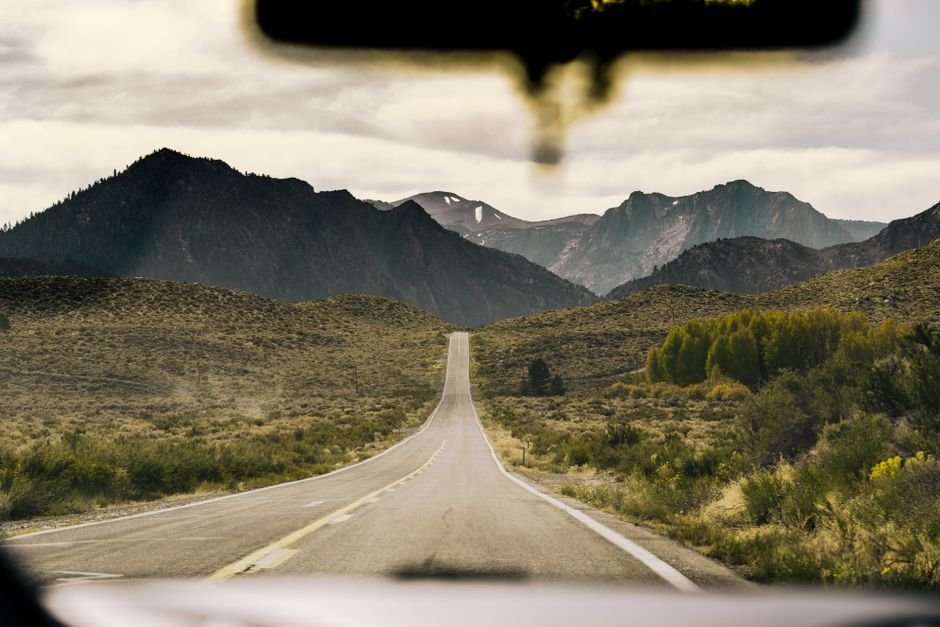
Tackling Cali Mountains: Real Talk for Driving Those Crazy Roads
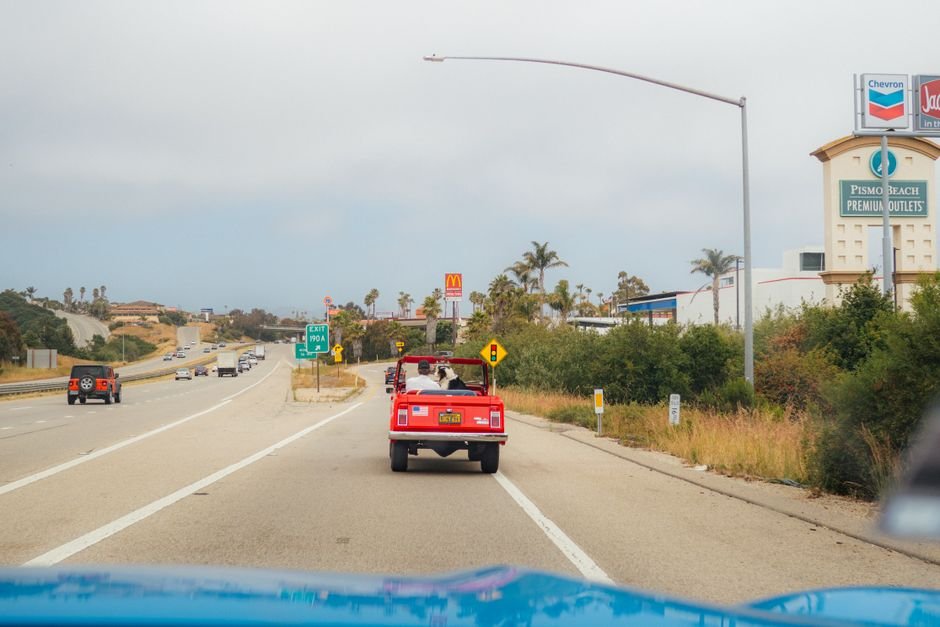
Ever notice cars just crawl up a tricky hill? Even with the gas pedal mashed? And then some descents feel just…off? Hitting those scenic drives? It means you’ll see some crazy winding roads. But real California Mountain Driving Tips? Not just for beginners. We’re talking making sure your car can handle gravity. And physics. Big time on those steep grades. It’s not always about pure speedometer stuff. Nope. Sometimes, it’s about what’s actually working in your engine when things get rough.
Car Check-Up. Brakes. Tires. Gotta Be Good
Before even thinking about those awesome mountain passes, give your car a serious once-over. Brakes? Gotta grab. Tires? Plenty of tread. Fluids? All full. Bad brakes going downhill? Disaster. Just a short, scary trip. Your tires just need to stick. To dry roads. Or wet spots. Whatever. Mountains throw all sorts of stuff at you. For real. Don’t skip this.
Know Your Car’s Guts and Its Weight
You’re looking up at a mega-steep hill. Right? It’s not the flat-road horsepower getting you to the peak. Nope. It’s about torque. That’s the pulling power. Some small engines, like a basic 1.4-liter? They might only give you maybe 127 Newton-meters of pull. And the really bad part? You might have to make that engine SCREAM at 4500 RPM just for that little bit of oomph. Super loud. Not much speed.
So, think about weight. A regular sedan, empty, sits around 1,150 to 1,225 kilograms (roughly 2,500 to 2,700 pounds). Hatchbacks or wagons? Can add 1,270 to 1,280 kilograms more—closer to 2,800 pounds. And another thing: throw in a full gas tank, perhaps an LPG tank, four people, and a trunk stuffed with gear. Boom. Your car is easily 1.5 metric tons. Sometimes way more.
Picture that huge 1.5-ton block. Trying to push against gravity. Up a steep hill. If your engine only coughs up tiny bits of torque at low, idle-like RPMs, you won’t just be slow. You’ll be wrestling with it. Pushing that engine hard. To its breaking point. And because it’s not all about going fast, it’s about keeping control. Moving smoothly. Seriously. Physics is no joke.
Use the Right Gear. Especially Downhill
Coasting in neutral? Don’t even think about it. That’s how you cook your brakes. Seriously. Going downhill, shift to a lower gear. This means the engine helps slow you. Saves your brakes. It’s called engine braking. Super important for mountain driving. And when climbing, especially if heavy, keep those RPMs up in a low gear. You need that power.
Weather Flips. Be Ready
California mountains? Totally sunny. Usually. But weather can change instantly. One second, clear skies. The next? Bam! Thick fog. Or, even worse, out-of-nowhere snow, maybe ice. A nice sunny drive turns scary. Fast. Always, always look up the forecast for the mountain elevation, not just where you start. Bring extra clothes. Be prepared.
Watch Signs. Speed Limits. Those Runaway Ramps
Those yellow speed limit signs? Not just a suggestion, dude. Especially on twisty mountain turns. Pay attention. Also, keep an eye out for emergency runaway truck ramps. You see them on super steep hills. Brakes fail? Those ramps are your only shot. Seriously. Just knowing they exist? What they look like? Could save your whole trip. Even your life. Road signs tell you more than speed. They tell you the road itself. Look up. Look far.
Emergency Kit. Water. Full Tank. Just Do It
Cell service up there? Barely works. If at all. Breaking down in the mountains? Not just annoying. Dangerous. So, pack a kit: first-aid, blankets, a trusty flashlight, jumper cables, some food that won’t go bad. And another thing: always, always fill your gas tank before those long drives. Seriously. Don’t bet on finding a station way out in the middle of nowhere. Impossible sometimes.
Quick Q&A
Q: So, horsepower or torque? For hills?
A: Horsepower sells cars. Sure. But it’s that engine’s torque. Pure pull power. That actually gets you uphill.
Q: Does weight, like people and stuff, actually matter on mountain roads?
A: Big time. A regular car, 1,150 to 1,280 kg empty, can hit 1.5 metric tons (over 3,300 pounds) easy. That’s with four folks, gear, maybe an LPG tank. And because that extra weight? It totally messes with climbing power.
Q: How much pull do small engines have? And when?
A: A small engine, like a 1.4-liter? Maybe just 127 Newton-meters of torque. And to get that power? You’re probably redlining it, 4500 RPM. A lot of work for a little bit of pull.