Mecca vs Petra: What Was Islam’s First Holy Spot?
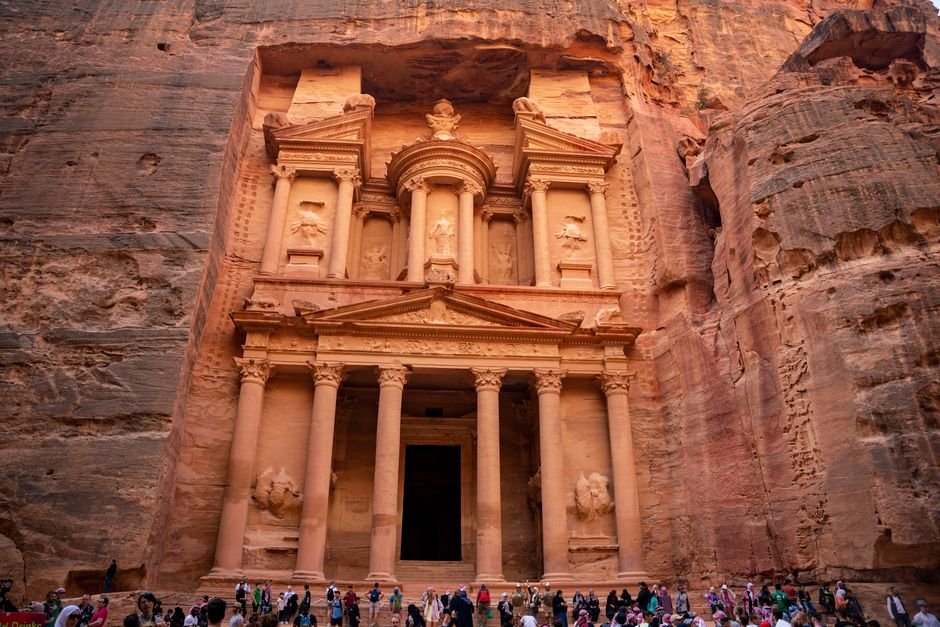
Okay, so picture this: Islam’s beating heart. Millions pray towards it every single day, circling the Kaaba. But what if that place isn’t the original one? What if the “Mother of Cities,” the first prayer direction for early Muslims, was actually Petra, down in Jordan? This isn’t just some wacky idea. The Mecca vs Petra debate? It’s really getting historians and smart folks talking. Shaking Islamic history to its core, honestly.
Is Petra the OG Kaaba spot? Some people sure think so
Mecca, for ages, has been the main spiritual center. But lately, some wild arguments have popped up. Researchers — like Dan Gibson, Patricia Crone, and Michael Cook — figure early Muslims might’ve actually prayed towards Petra. A city way up north, like a thousand kilometers. This theory? It makes you totally rethink everything we’ve been told. And you gotta dig deep into old records. Or the lack of them. It’s a twisty journey through history, old buildings, and beliefs. Makes you wonder what’s been right in front of us this whole time.
Why Petra Theory Fans Point to Thin Mecca Records, Odd Quran Clues, and Crooked Mosques
Here’s the deal: Mecca’s records before Islam? Super scarce. While nearby old towns boast fancy tombs, water systems, and tons of writings, Mecca itself is pretty quiet, archaeologically speaking. Sure, old Greek guy Ptolemy mentioned a “Makoraba,” but if that was Mecca, and how it matters, is still debated. First real mention of Mecca? An Armenian text, around 600 AD. Just a few decades before Prophet Muhammad was born. Not much.
And then there’s the Quran itself. Descriptions of olives, grapes, and dates sound a whole lot more like the green Levant, not Mecca’s traditional desert vibe. Those who back the Petra theory? They say this points to a different, greener “mother of cities.” Plus, Petra, with its fertile land and being a busy trading and religious center for the Nabataeans, kinda fits those Quranic descriptions better.
But the real showstopper? Early mosques. Researchers have mapped out the Qibla — that’s the prayer direction — of some really old mosques. Turns out, many don’t look at Mecca at all. Their lines seem off. A lot actually point straight towards Petra. Not just a little bit off, either. For some, it’s a dead-on bullseye. Stone structures, pointing somewhere else.
But, hey, Mecca Had Its Own Thing Going On Too. And It’s Hard to Dig There
Hold up, though. The old story about Mecca? It’s got some heft. Mecca wasn’t some sleepy village. Before Islam, it was a super important, but seasonal, spot for pagan tribes to travel to and trade. For certain months, fighting stopped. Rival groups would chill, pray, shop, and make deals. Old poets, dating back to the 6th century, even wrote poems about these trips.
Because it was a “sacred area”—a neutral spot where no fighting or hunting was allowed—its growth was unique. Permanent buildings stayed small. Basically, Mecca wasn’t a constant boom town. More like a historical “Burning Man,” buzzing with people for pilgrimages then emptying out. So, few old permanent records? Makes sense. It just wasn’t built up like typical cities.
And the lack of big archaeological finds in Mecca? Simple: digging has always been super hard there. First, because it was a beloved pagan sacred place, and later, for Islamic reasons. It’s a city where you literally can’t dig deep into its past. So, saying it wasn’t important because we haven’t found much? That’s kinda a stretch when we haven’t even really been allowed to search.
The Black Stone and Old Pagan Cults. Hmm
And another thing: this is where it gets seriously wild. The Black Stone, the Hajar al Aswad, is key to Islamic travel today. But its beginnings? Rooted in much older stuff. Its importance goes way back to ancient pagan groups. Think of Cybele, a fertility goddess whose worship went on for thousands of years. From Turkey to Rome. Legend says a meteorite fell, a sign from Cybele, and pieces became idols.
In the Arabian Peninsula, Cybele’s local version was often Al-Lat. People revered her with square stone blocks. Manat, another goddess, was connected to black stones. Cube-shaped altars, black stones? Common stuff all over pre-Islamic Arabia. Look at Petra, for instance. You’ll find “Jinn blocks.” Ancient square altars; pagan prayer places. Some folks wonder if a piece of that old meteorite, perhaps revered as Lat in Petra, ended up in Mecca. Became part of its sacred landscape. The move could have happened way before Islam, incorporating this really old, powerful symbol into Mecca’s existing mix of holy things.
“Kaaba” and “Qibla” Weren’t Just Islamic Words
It’s easy to think “Kaaba” and “Qibla” are only Islamic. Not so fast. “Kaaba” simply means a cube-shaped building. Cube altars were everywhere across the ancient Middle East: Baalbek. Palmyra. Petra had them too, at its entrance. Not special. And “Qibla”? Just “direction.” People turning towards a holy spot to pray? An ancient human practice.
Petra was a big Qibla for pagan Arabs. But just one among many. Many central spots for travel and “Kaabas” existed across the region. Thinking everything centered on one exclusive spot—Mecca or Petra—might just be simplifying a much wilder, diverse old religious landscape.
Think for Yourself. Dig Deep, Dude
Honestly, this whole conversation isn’t about saying one city is “right” and another “wrong.” It’s looking at history with open eyes, asking questions, and digging in. When you’re studying such old events, especially stuff shaped by big powers like the Umayyads and Abbasids—who often just rewrote history to fit their agenda—you gotta be skeptical.
Don’t just trust one source. Or just one video. Read up on the researchers pushing for Petra. But read their critics too. Get all sides. The past is blurry. Claiming absolute certainty here? That’s just being naive.
What Really Matters: Your Heart, Not a Stone
Ultimately, whether the first Qibla was Mecca or Petra, or if the Black Stone traveled across the sands centuries ago, the biggest takeaway is super simple: the building itself is just a symbol. People sometimes argue about the physical spot with so much passion, they totally miss the real point. The Kaaba? It’s a stone structure. Rebuilt. Damaged. It marks a holy place, okay, but it’s not the divine itself.
True praise, many say, comes from inside. From your intention, your heart, your conscience. Not from kissing a wall. Or getting a perfect angle. Getting too attached to physical stuff, even holy things, can hide the deeper spiritual feeling. So, the main thing should be what you believe inside. Not worshipping a stone or super-precise map coordinates. It’s a cool place to meet up, sure. But what you bring to it? That’s everything.
Quick Q&A for the Curious
Why so few old Mecca records?
Mecca was a sacred, neutral zone for pagan tribes. That kept big permanent buildings to a minimum. It popped off during pilgrimage seasons with trade and religion, but wasn’t a constant big city. Also, historical and religious rules have seriously limited digging around there.
What’s up with the Black Stone?
People respected the Black Stone way before Islam. It connects to ancient pagan fertility goddess cults, like Cybele. Also local Arabian goddesses, Al-Lat and Manat. Many link it to worshipping meteorites. Cube altars with black stones were common symbols back then, suggesting it’s got a widespread pagan background.
Were there other “Kaabas” back then, besides Mecca’s?
Yeah, totally. “Kaaba” just means a cube-shaped altar. “Qibla” signals a prayer direction. Both things were common in old Arabian paganism. Many cities – Petra, Baalbek, Palmyra – had stuff like that. They were pilgrimage spots. So, sacred places and directions were actually pretty diverse.