Airborne Wind Turbines: California’s Energy Future? You bet!
Tired of those giant wind farms scarring our beautiful California? Or worse, the silent toll traditional turbines take on our birds? Yeah, our energy needs are HUGE. Always growing. Always pushing for something cleaner. But what if the next big energy leap isn’t on land? Soaring thousands of feet up there? We’re talking Airborne Wind Turbines California, a crazy idea that could totally change how we power this state.
Airborne Wind Turbines: Not Your Grandma’s Wind Power
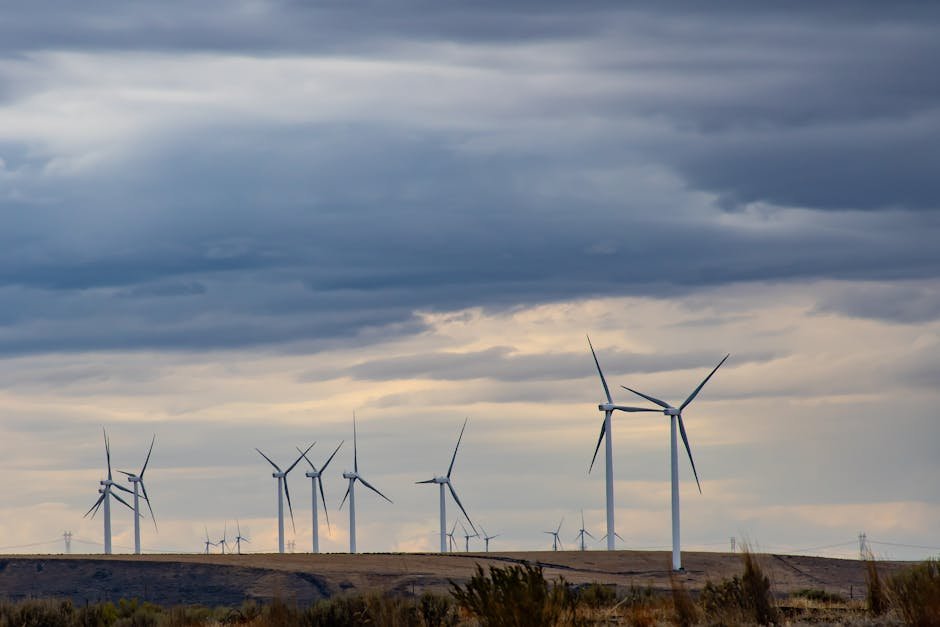
Okay, let’s be real: traditional wind turbines aren’t perfect. Not the green solution we thought. They don’t pollute when running, true. But their production, their installation? That causes hella environmental damage. Think about all the carbon just to build and move those monsters. To remote mountain places. Often just wrecking natural spots.
And the birds? Millions. Many endangered. Casualties of those spinning blades every year. A harsh truth. Static turbines aren’t as eco-friendly as the marketing fluff suggests.
But there are other ways to grab that wind. The “kite technique,” dreamed up by a Boeing engineer in good old ’73. Massive kites. 500 meters up. Pulling on ground generators. And another thing: more compelling now is the “onboard integrated system.” Here, the generator itself goes air-borne. Inside a glider. Or a helium-filled balloon. And it’s all tethered to the ground. By a cable that sends power down. This isn’t just talk; it’s happening.
China: Leading the Sky-High Charge!
No shocker here: China is absolutely ravenous for power. To feed that hunger, they’re throwing resources at everything. Old-school coal, cutting-edge nuclear, even fusion reactors. And yes, massively into renewables. Already the world’s biggest producer and exporter of solar panels and ground-based wind turbines.
But now, Chinese tech firms, with government backing, are killing it with flying wind generators. The idea’s been around since the 70s. Some good stuff popping up in the US and Europe in the 2000s. But China? They’re putting the final stamp on this tech. Only started working on these in the 2020s. Yet in just five years, they’ve shot into an undeniable lead. Developing systems that make over 2 megawatts. Saves, a Beijing company, working with Tsinghua University and the Chinese Academy of Sciences? They’re smashing it. A powerful research group.
Up High: Stronger, Steadier Winds. Boom
Here’s the real deal: ground turbines are at the mercy of moody winds. Sometimes strong. Sometimes nothing. But climb above 500 meters? Everything flipping changes. At higher altitudes, the wind is not just way stronger, but also far more stable and consistent.
Pushing up to, say, 1500 meters? That seriously boosts how much energy you can make. Get this: a single airborne turbine at 1500 meters can be 25 to 30 times more efficient than a comparable turbine stuck on the ground. This steady supply means almost guaranteed output. Much more reliable power.
Power on the Go: Remote & Emergency Ready
One of the biggest perks of these flying generators? They’re mobile. The S1500 prototype, for example, gets packed onto a single truck. Deployed almost anywhere. Think construction sites way out in the boonies. Mines. Dam projects. Far from existing power grids. These flying units could just sit there. Consistent, clean power.
They’re also a total lifesaver in emergencies. Picture a huge earthquake. Or a massive wildfire. Traditional power lines? Smashed, useless. These mobile generators could get there fast. Bring electricity to affected communities. Powering hospitals, relief efforts, households instantly. Power anywhere, anytime. Pretty cool innovation.
The Good and Bad: Challenges Still Lurk
The upsides are clear as day: incredible efficiency, way lower installation and running costs compared to those hulking ground turbines. A much lighter footprint on the earth. No birds harmed up at those heights, less habitat getting ripped up. They really could make tons of cheap, clean electricity.
But it’s not all sunshine and rainbows. Every new tech has its problems.
- Air traffic is a massive headache. Flying power plants? Serious risk to planes and helicopters. Strict rules and careful placement would be super important.
- Weather issues are another big one. Even though they love stable high winds, nasty storms, hurricanes, or tornadoes mean these turbines have to land. Or shut down.
- Material strength is key. Operating way up high means constant punishment. Regular, thorough maintenance is absolutely crucial. Neglect? Could lead to total failure. Definitely more risk than the fixed ones.
Money Talks: High-Flying Energy Economics
When you look at the whole picture, the economic argument for airborne turbines holds up. Costs to build and run them? Significantly less than old-school wind farms. No need for huge concrete foundations. No moving giant blades and tower sections through delicate land. This means cheaper, cleaner power for all of us down the line. It’s about getting more bang for your buck. Way up in the sky.
Breakthroughs: The S2000 and the Megawatt Race
The speed of development in China is honestly wild. Beijing’s Saves company launched its S500 prototype in 2024. A helium-filled aerostat. Tested at 500 meters. Spitting out 50 kWh. Early 2025? The S1000 arrived. Hitting 1000 meters. And 100 kW. By last summer, the S1500 was testing at 1500 meters. This monster? 60 meters long, 40 meters wide and high. Weighs less than a ton (carbon fiber, baby!). Holding 12 individual 100 kW turbines. Already shown it can crank out 1 megawatt.
But they’re not stopping there. The S2000, now in tests, looks similar to its older sibling. But flies 500 meters higher. And has tweaks to its internal turbines. Recent tests at 2000 meters? Over 380 kWh in just 30 minutes! The goal? A mind-blowing 3 megawatts within months. China, honestly, is onto something HUGE with this stuff.
Could California use its smart people and push for similar projects? Imagine our golden hills clear of those ugly turbines. While clean power drops down from generators we can barely see. The future of energy might just be looking way up.
Got Questions? We Got Answers
Q1: How are flying wind turbines different from regular ones?
A1: Regular wind turbines are fixed structures. On the ground or out at sea. They rely on lower, often iffy winds. Flying ones, though? They float way higher. 500 meters or more. Where winds are stronger and super steady. The generator sits in an aerostat or glider. Tied to the ground. Power comes down the cable.
Q2: Why are airborne wind turbines so good?
A2: They’re way more efficient. Thanks to stronger, steadier winds meaning almost unstopabble power generation. Also, lower installation and running costs than traditional turbines. And less harm to the environment. Habitat stays good, fewer birds get hit. Plus, they’re mobile. So they can power remote spots or places wiped out by disasters.
Q3: What’s the downside?
A3: Big problems include messing with air traffic. They’re also sensitive to bad storms, meaning they have to shut down. And the materials need to be tough. Constant high-altitude exposure can wear them out quick. These systems need precise spots and super regular looking over to stay safe.