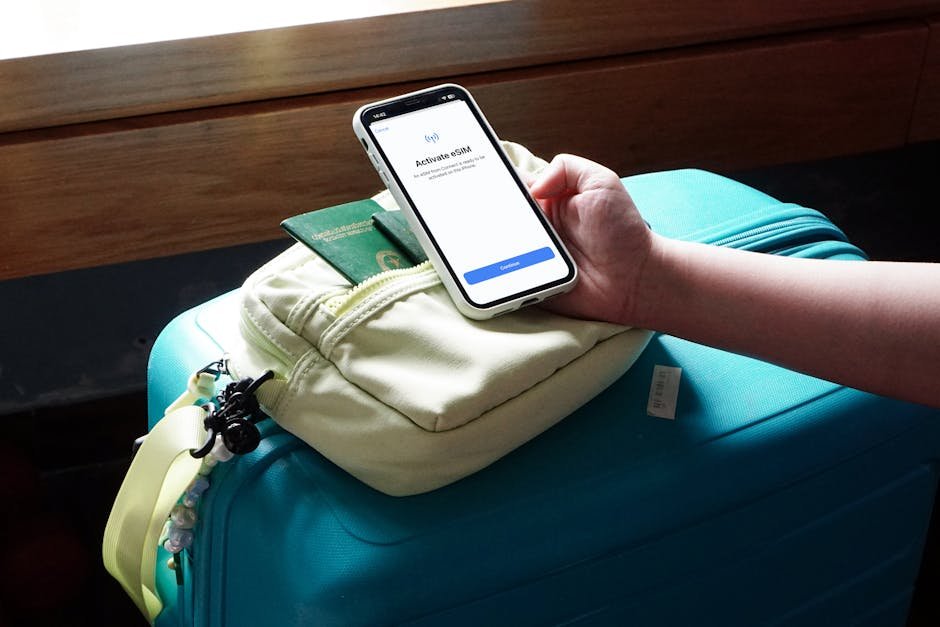
Turkey eSIM Ban: What Travelers Gotta Know in 2024
Heading to Turkey? Think your trusty eSIM will keep you connected, helping you ditch those brutal roaming fees? Hold up. You might hit a hella big snag. Turkey’s tech folks made some recent moves, stirring up serious confusion. Made the whole Turkey eSIM ban a real head-scratcher for visitors and locals. Forget the old plastic card vs. embedded SIM fight. Game changed.
BTK Blocked 8 Global eSIM Apps
Weeks back, the BTK (that’s the Information and Communication Technologies Authority) literally dropped a bombshell. They blocked access to eight eSIM applications working in Turkey. We’re talking foreign companies here. The word from BTK is clear: no access for users, whether you’re inside Turkey or going out from Turkey. It left everyone wondering, “What’s the deal now?”
Who Gets Hit by This Restriction?
This ain’t a freeze on all eSIMs. Nope. This crackdown specifically targets foreign-based eSIM providers. Essentially, if an eSIM service isn’t based here in Turkey and doesn’t play by our local rules, it’s probably on the chopping block.
The big squeeze is on anyone trying to buy or fire up one of these blocked foreign eSIMs while physically in Turkey. And it also messes with Turkish citizens traveling abroad who usually relied on these cheaper foreign choices instead of their local providers’ super pricey roaming junk.
Your Local Turkish eSIM Services Are Still Chill
Okay, here’s a positive spin: If you’re using an eSIM from a Turkish operator like Turkcell, Vodafone, or Türk Telekom, you’re in the clear. These services are not affected. You keep using them, just like you always have. No hitches. So, no need to run back to those old plastic SIM cards if you’re already rocking a local provider’s eSIM.
Understanding the “Why”: Data Security Concerns (They Said)
So, why the sudden restriction? Officially, the BTK’s talking data security. They argue that these foreign eSIM providers don’t play by Turkish rules regarding data infrastructure. Essentially, BTK wants these companies to either park their infrastructure in Turkey or use local Turkish stuff. Their logic? If your user data isn’t under their thumb, it’s a huge security risk.
But let’s be real. Turkey’s track record on data privacy ain’t exactly stellar. Seriously, we’re talking non-stop spam calls, gambling site ads popping up even if you never looked, and WhatsApp messages from random numbers in Kenya. Your phone number and personal info feel less like data and more like a public secret. And another thing: when local and international providers got caught, some folks really started to wonder if “data security” is the whole story. Makes you question the overall vibe.
The Unofficial Buzz: Protecting Local Operator Cash
Here’s where the whispers start. A lot of folks believe the real reason for the whole Turkey eSIM ban isn’t just about sensitive data. Local Turkish mobile operators charge some killer roaming fees. Travelers heading out of Turkey often skip those pricey packages by grabbing an eSIM from a foreign provider. A much cheaper way to get internet and calls, you know? This pretty much steals cash from the big guys here.
And the theory? Local operators likely leaned on BTK. “We’re losing money on international roaming,” they might’ve griped. “These cheap eSIMs are killing our business! Let’s just ban ’em.” While this is purely rumor and guesswork, it sure hits home for everyone who’s fed up with our super high communication costs.
Traveler’s Guide: How to Deal With eSIM Restrictions in Turkey
Listen up, travelers! Especially if you’re visiting Turkey:
Activate your eSIM before you arrive in Turkey. If you activate a foreign eSIM service before you cross the border, you should still be able to use it once you’re in the country. It’s all about activating or buying inside Turkey. That’s the real problem.
Trying to buy or activate a new foreign eSIM once you’ve landed? Nope. No dice.
Other Ways to Stay Linked Up
Chill out, though! You’ve still got options to stay connected without those crazy roaming bills:
-
Physical SIM Cards: You can still use a physical SIM from a foreign company. Your existing plastic SIM from back home should still work for roaming (but, yeah, it might be expensive).
-
Local Turkish SIM Card: Best bet for a cheap connection? Buy a local physical SIM card once you land. Find these stalls right at the airport or at mobile operator shops in any city. They usually have tourist packages with good data bundles.
-
Pocket WiFi: Another choice is renting a portable WiFi hotspot. This can be shared among multiple devices and people. Good for groups too.
This whole eSIM thing feels kinda heavy-handed. It pushes travelers towards often pricier options. Leaves you with fewer choices, and makes staying online abroad harder. Many just feel like they care more about money than letting people choose.
Frequently Asked Questions
Can I still use eSIMs from Turkish operators?
Yep. Totally. eSIM services from local Turkish operators like Turkcell, Vodafone, and Türk Telekom? They’re fine. Totally clear.
What if I bought and activated my foreign eSIM before arriving in Turkey?
If you activated your foreign eSIM service outside of Turkey, you should keep using it while traveling within Turkey. No problem. The restrictions apply to the purchase and activation of new foreign eSIMs while in Turkey.
Are regular physical SIM cards affected by the new rules?
Nah. The rules specifically target certain foreign eSIM applications. Physical SIM cards, whether foreign or bought here in Turkey, just work fine.