Planet Formation: From Star Dust to Solar Systems
You ever just stare at that huge California night sky — maybe Big Sur, maybe Joshua Tree — and wonder, like, where did this all even come from? Not just some deep thought thing. Because here’s the kicker: Germany’s Planck Institute? They just dropped some insane news. They got the first-ever direct pictures of a newborn planet, putting out heat at a crazy 1000°C. Not just a pretty picture. This is solid, visual proof. For decades, we’ve had theories about planet formation. Now we know. Totally proof positive. Talk about a cosmic mic drop.
And get this: the universe? Full-on recycling program. Pretty wild. And dirty, too. Plus, we’re part of it.
When Giant Stars Go Boom: The Birth of Elements
Okay, picture the biggest, beefiest stars you can fathom. We’re talking thousands of times our Sun’s size. These cosmic monsters? They live fast. Really fast. Their whole thing wraps up in just a few million years. And our Sun? Just a little dude. Chill for billions more. Shorter life for bigger stars. But their quick burn-out? Believe it or not, completely necessary.
So, deep inside these gigantic stars, nuclear fusion just goes bonkers, basically turning their hydrogen into helium, then that helium into other elements, all the way up to, get this, iron. But iron? Party over. Mixing iron takes energy, it doesn’t make it. So when a star gets stuffed with iron, its internal reactions can’t hold things together. The core collapses. Boom! Implodes, then explodes. A nova. Or a freakin’ supernova.
More than sparkly lights. These huge explosions? They make all the heavy stuff. Carbon, thorium, plutonium, uranium. Literally, our planet. You. Me. And another thing: no boom, no Earth. No you.
Stellar Nurseries: Where New Worlds Begin
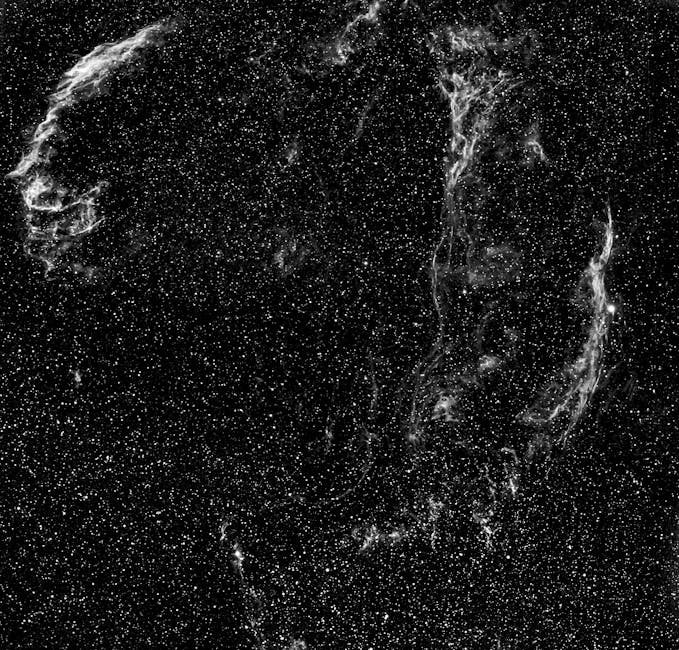
So, after a supernova, what’s left? Black hole, sometimes. Or maybe a neutron star. But always, a nebula. These aren’t just little wisps. Massive clouds. Actual galaxy-sized clouds. Astronomers, those science nerds, they call ’em “stellar nurseries.” Which, okay, it’s pretty fitting.
Inside these monster clouds of gas and dust? Oh, gravity shows up. That’s when all these random pockets of hydrogen and other elements just start sticking together, forming clumps. When enough material gathers, hits that magic “critical mass,” that gas blob just collapses in on itself. Pressure’s up. Temps soar. Boom! Nuclear fusion sparks, and a brand-new star, exactly like our Sun, just lights right up. Wild, huh? One star dying powers another being born.
Rocky Worlds Up Close
Okay, so these new, smaller stars? Once they get going and start shining, they turn into these cosmic magnets. Snagging all those heavier elements — the supernova remains — right out of the bigger nebula. All this stuff then forms a fast-spinning disk of dust and gas. Totally around the brand-new star.
Inside this protoplanetary disk, tiny dust specs just start bumping. Sticking. And over millions, sometimes billions of years, these small clumps get bigger. Rocks. Then little planet-seeds. Then, boom, full-blown planets. All the rocky ones, like our Mercury, Venus, Earth, and Mars, they usually form way closer to their star. Why? Because the heavier junk just naturally gathers in the hotter inside regions of the disk. Just picking up the solid bits right next to the fiery core.
Giant Spheres of Gas, Way Out There
Now, push out further in our solar system. Past that inner rocky crew. And you crash right into the gas giants: Jupiter, Saturn, Uranus, Neptune. See it? A pattern, right? These colossal worlds, they form way out on the fringes of the protoplanetary disk. That’s where the lighter elements and gases are super abundant. Because they’re far from the star’s insane heat, those lighter gases don’t get blasted away. So they just pile up. Make giant planets. Basically, huge balls of gas and ice, with maybe just tiny rocky cores. And another thing: just shows how diverse planet formation can be. So many freakin’ ways.
Chaos Rages: Our Solar System’s Turbulent Youth
Looks all neat now, doesn’t it? But seriously, our solar system? Not always so chill. When our Sun first fired up, man, it was pure chaos. It just kept pulling in all kinds of heavy elements, rocks, metals — creating a churning disk of pure junk. And the first planets that formed? Totally unstable. Picture it: gigantic rock formations just slamming into each other. Planets ripping right apart!
Some eggheads actually believe our early Earth wasn’t even the first planet right here in this orbit. Nope. A different world, probably a ‘proto-Earth,’ it got absolutely smashed by another rogue planet. And its broken bits? They not only made our current Earth, but also birthed our Moon from all that cosmic shrapnel. A full-on demolition derby out here!
And check between Mars and Jupiter. You see that famous asteroid belt? Not just random space junk. This is massive proof. Either another planet totally tried to form there and failed, or it did form, then just broke apart. Some theories point to Jupiter’s immense gravity. Too strong, apparently, to let anything permanently stick together. But other folks think it was too many impacts that just kept it from ever settling down. And get this: some astrophysicists even proposing a new planet might eventually form there. In a few billion years. Talk about a comeback story!
Saturn’s Rings: A Cosmic Crime Scene
And the whole crazy mess of planet formation? It’s not just about forming huge worlds. Goes small too. Those stunning, iconic rings of Saturn? Not just cosmic jewelry, folks. Nope. Geologically? They’re probably the shattered remains of a moon. Or maybe a small planetary body. Just got too close to Saturn. Its powerful gravity? Ripped that object apart. Flung its pieces into the amazing icy ring system we all stare at today. A real micro-snapshot. Of the brutal, beautiful universe playbook.
We Are All Stardust
So, what’s all this mean for us? Just tooling around here on our little blue marble? It means literally every single atom in your body — the carbon in your DNA, the iron in your blood, that oxygen you breathe — was once forged deep in the heart of some gigantic star. And then that star? Had to die in a spectacular, galaxy-shaking supernova explosion, scattering its very guts across the universe.
Those elements then just drifted. Clumped together in a giant nebula. Made a new, smaller star (our Sun!). And then, eventually, became part of a rocky planet. Our home. Hey. We are literally, undeniably, stardust. This whole connection thing? It gives you a total new appreciation for just existing, right? Next time you feel small, remember: you’re made of the same damn stuff as distant galaxies. Pretty wild.
Got Some Questions? Shoot
Q: So, how do stars mostly make heavier stuff?
A: Stars do it using nuclear fusion. They just keep turning lighter elements, like hydrogen, into heavier ones, one after another, all the way up to iron.
Q: What happens when a star can’t fuse iron anymore?
A: When a star runs out of lighter elements to fuse, and it’s mostly iron, it can’t make enough energy to push back against gravity’s pull. So, boom, it collapses. Then it explodes. A supernova.
Q: Why do rocky planets form up close to their star, but gas giants hang out far away?
A: Rocky planets snuggle up close because all the heavier elements – rock, metal stuff – they pile up in the hotter, inside spots of the spinning disk. Gas giants form way out there. Cooler temps out there mean lighter gases can really gather, preventing them from being blown away.