Sustainable Home California: Eco-Friendly Living Tips & Water Conservation
Ever wonder if your California pad is actually helping or hurting our Golden State? You know. With droughts, fires, and just a ton of folks calling this place home, turning your space into a sustainable home California isn’t just some passing trend. It’s totally essential. And another thing: It’s way more than just good vibes; we’re talking tangible, real changes that benefit your health, your bank account, and the amazing world around us.
So, let’s dive into some practical, local-approved tips to make your home an eco-friendly spot.
Try a ‘shoes-off’ rule at home for cleaner air
Want the best air inside your place? Start simple. Right at the door. Get into the habit of taking your shoes off when you walk in. Because doing this really cuts down on all the grime and gunk tracked indoors. A lot.
Also, fresh air is truly your pal. So, open those windows often! Let that coastal breeze flow through. But here’s a local tip: always check your Air Quality Index (AQI) first, especially when it’s fire season. You definitely don’t want smoke swirling around inside.
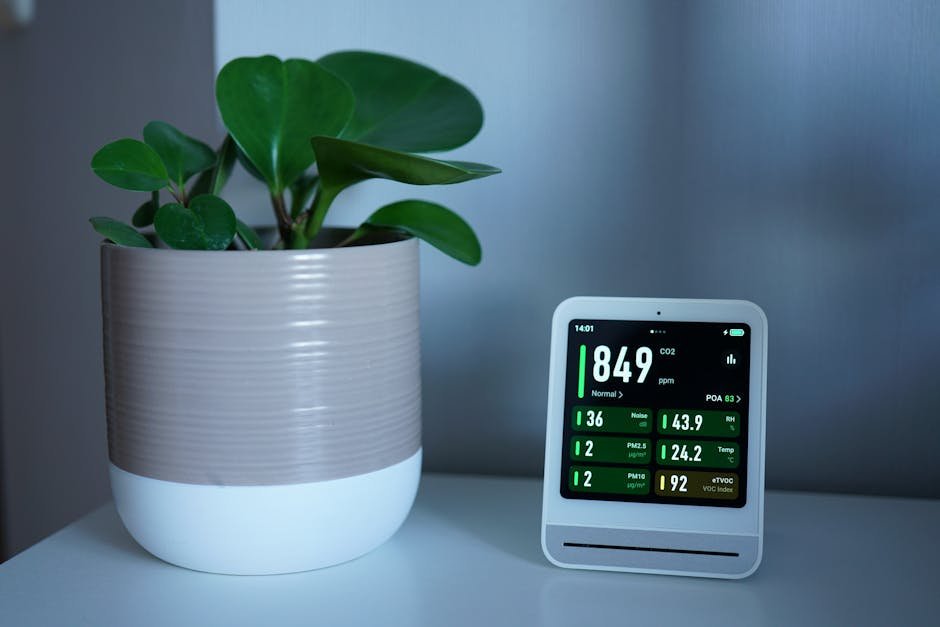
Cleaning regularly also makes a difference. Vacuum at least once a week, no excuses. And remember to dust. Bringing in some houseplants? They aren’t just pretty faces; they truly boost air quality and your mood. Air purifiers are another solid bet for fresher air.
Seriously, ditch those fake air fresheners and scented candles. “Fragrance” on an ingredient list can just hide a whole bunch of chemicals. Messes with your breathing, your overall health. Best to opt for natural stuff. Or just enjoy the plain old fresh air.
Pick native plants and smart watering like drip systems for your yard. Save water, help local critters
Step outside! Your yard, especially right here in drought-prone California, is a huge chance to make an impact. Focus on planting native stuff. And definitely no pesticides.
Thinking about ripping out that thirsty lawn? Smart move. Check with your city’s water folks; many places give funding or money-back deals to help with turf removal.
Heads up on fake grass, though: it’s not really the green solution you’d think. It actually takes a bunch of water to just make the plastic. Often more than you’d even save later on. Plus, it doesn’t attract important native biodiversity. And most money-back programs won’t even cover it. Nope.
For covering the ground without a lawn, maybe clover. Or buffalo grass. A bunch of succulents works too. They gobble up way less water. To find plants that actually belong in your specific area, a quick Google for “Wools” often leads to university and college extension programs with solid local ideas.
Get some drip irrigation lines installed for smart watering. Think about rainwater collection barrels. Your local water company might even offer you perks. For the super serious, greywater reuse is an option. Though it’s a way bigger project, especially if you’re a new homeowner. The main thing: use less water every single month. Your wallet and our state’s water will seriously thank you.
Compost food scraps and yard waste. It slashes your carbon footprint by preventing nasty methane gas
Right here in California, composting isn’t some polite suggestion. It’s the law. Thanks to SB 1383, you’re legally required to compost your food scraps and lawn trimmings.
And another thing: this is HUGE. Composting keeps food waste out of landfills. Because there, it just breaks down and churns out methane. That’s a greenhouse gas. Super potent, too – 25 times worse than CO2. Every person who composts cuts a huge stress off our environment.
Most local green bins take grass, leaves, and all your food scraps. Even meat and dairy in plenty of towns. Just keep a little bin on your counter. Or in the freezer, too. Collect scraps, then transfer them to your main composting bin for collection. Easy peasy, right?
Use apps like EWG and Yuka. Scan products. See what potential health and environmental problems their ingredients might have before you buy
Want to clean up your stuff? Making your own cleaners is always the absolute best. You know what’s in ’em. Also, it saves a ton of money. Thrive Market is another great pick if you need trusted ingredients in packaged goods. Brands like Grove and chlorine-free bleaches from companies like Rosies are good choices too.
When you’re out shopping for groceries or house cleaners, lean on tech. Big time. Download the EWG (Environmental Working Group) and Yuka apps. Scan product barcodes, watch it happen. You’ll instantly see ingredient lists and possible concerns: asthma, environment, skin irritation, things that mess with growth, or cancer risks. Any red flags? They’ll pop up right there.
Always read ingredient labels. Just like with food. The first few ingredients listed? That’s most of the stuff in the product. Make sure they’re things you actually recognize. And trust.
Go for non-toxic pots and pans, like cast iron or 100% stainless steel. Don’t store food in plastic containers. Stops bad chemicals from leaking
Your kitchen. Another good place for sustainable swaps. Cookware? Stick to cast iron or 100% stainless steel. They’re tough. And non-toxic. But be careful with those ceramic-coated pans; if they scratch, chemicals can leak into your food. No good.
Plastic in the kitchen? Serious problem. Heat makes plastic leak chemicals. Doesn’t matter if it’s take-out stuff. Or a thin water bottle. Even “reusable” plastic. And that goes for those seemingly harmless paper straws, too – many are plastic-lined.
Get yourself a good filtered reusable water bottle. They can filter tap water. Even help with microplastics from other places. Carry a reusable straw (those clever foldable ones are great!). Maybe even a portable utensil set. Every single time you say no to single-use plastic, you’re making a real difference.
And another thing: don’t forget your voice! When you’re grabbing takeout, speak up. Ask them to hold the plastic forks or the extra containers. Loads of places offer perks if you bring your own coffee cup. These small daily choices really add up. Cuts down on our using so much wasteful plastic, all over the place.
It’s all about making smart choices. One step at a time. Your home isn’t just a place you live. It’s a key piece of the bigger California ecosystem.
Frequently Asked Questions
Q: Is fake turf a good way to save water in California?
A: Usually, nope. It looks like it saves water, sure. But manufacturing that artificial turf plastic? It takes a significant amount of water. Often more than you’d even save over its entire lifespan. Also, it doesn’t help local plant and animal life. And city water rebates for turf removal usually won’t cover it.
Q: Why is composting food waste so dang important in California?
A: Because in California, composting food scraps and yard waste is required by law (SB 1383). This is super important. When food waste hits the landfill, it breaks down and makes methane. That’s a powerful greenhouse gas. Seriously, it’s 25 times more potent than carbon dioxide. Composting redirects this waste. Significantly cuts methane emissions. And shrinks your carbon footprint.
Q: How do I check if my household products are safe and green?
A: Use apps like EWG (Environmental Working Group) and Yuka. These apps let you scan product barcodes. You can see detailed ingredient lists. And check any possible problems regarding health (like asthma or cancer risks) or environmental impact. Look for products with stuff you can recognize. And definitely avoid anything that just lists ‘fragrance’ as a general term. That can hide a bunch of undisclosed chemicals.