Holy Cow! Your Home-Roasted Vegetables Can Taste Like a Restaurant’s. Here’s How (7 Tips)
Why do those restaurant roasted vegetables just hit different? We’ve all done it. Pushing bland, rubbery stuff around on our plates. Seriously, what magic do the pros have? No secret chef sorcery, turns out. Just a different cooking philosophy. And, well, yeah, hella more fat.
But don’t fret, home cooks. You can still get that killer roasted vegetable vibe. Without drenching everything in oil. Forget the sad, steamed veggies of yesteryear. Because we’re talking seven game-changing pointers. To seriously level up your home-roasted vegetables.
Salt: The Real Flavor Boss
So many people think a bunch of herbs and spices is the key. Nope. Unless salt’s in there somehow, that flavor just won’t pop.
Consider a quick test: grab two batches of potatoes. To one? Salt and oil. To the other, add the same oil but a big mix of spices—cumin, cayenne, turmeric, whatever. But zero salt. The spiced potatoes might look better. They’ll be nearly tasteless. The salted ones? Snack all day.
This isn’t saying ditch your spices. Use ’em! But understand salt’s power. Samin Nosrat, in Salt, Fat, Acid, Heat, nails it. Salt ramps up flavor. Cuts bitterness. Boosts sweetness. Seriously, like a pinch in a chocolate chip cookie. Your goal isn’t “salty” stuff. It’s “properly seasoned.”
Always ask: How little will I add, and when? A big sprinkle of kosher salt before roasting is standard. But consider other great things. Soy sauce. Fish sauce. MSG. Or any good savory, salty mix. For deeper flavor, toss your vegetables with salt hours before. Or even parboil them in salty water. Forget? Add it at the end. Just don’t skip it.
Fats: Your Heat & Flavor BFF
Before we even think about less oil, let’s nail down what fat does. It’s a double-hitter. A heat deliverer. And a flavor deliverer.
Imagine Brussels sprouts, halved. One batch gets salt, rosemary, garlic, and a spoon of olive oil. The other? Salt, herbs, garlic. No oil. When they hit the oven, the oiled sprouts crisp up beautifully. The oil heats up fast. Transfers heat efficiently. Fills tiny nooks. Without it? Leathery, uneven veggies.
Even more crucial? Fat’s role with flavor. That tiny bit of oil makes garlic and rosemary taste miles better. Fat coats your tongue. Keeps aromatic compounds on your taste buds longer. This jazzes up every taste.
Restaurants really pile on the fat for this. Good news though: you don’t need the whole bottle. One to two tablespoons of oil is usually plenty for a large sheet pan. It won’t be quite as crazy rich as a restaurant dish. But it’ll be 80-90% as good. For a final punch, drizzle some flavored oil after they come out. Instant taste bomb.
Crank Up the Heat & Convection
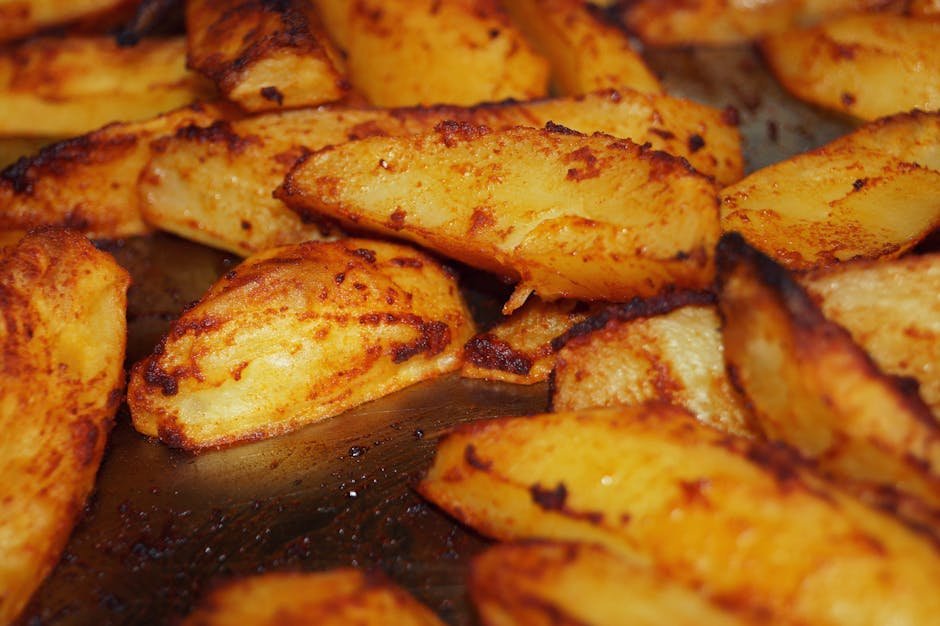
What truly makes roasted vegetables shine are those beautiful, brown, crispy bits. We’re talking new, roasty flavors. And another thing: to get ’em, you need dehydration. That means high heat.
Aim for 450 to 475 degrees Fahrenheit. Oven got convection? Use it! Convection blasts hot air around. Crisps veggies faster. Air fryers? Yep, tiny convection ovens. That’s why folks love ’em for killer roasted veggies.
Another absolute chef move? Preheat your sheet pan. With some oil. Get it screaming hot in the oven. Toss your prepped veggies on that pan. They brown way faster. This browning, like some science magic called the Maillard reaction, kicks in hard above 350°F on the veggie’s surface. Usually, 30-45 minutes at these temperatures does the job for most vegetables. Don’t be scared to finish with a quick blast under the broiler for ultimate crispness. Total game-changer.
Give ‘Em Space to Breathe
This is a rookie mistake a lot of home cooks make. Turning perfectly good roasted vegetables into steamed ones. Seriously, cramming too many veggies onto one sheet pan? Traps moisture. Can’t brown. Can’t crisp. Just steams.
Picture this: two batches of salted and oiled sweet potatoes. One side? All squished together. The other? Spread out, single layer. After just 15 minutes, the spread-out batch is cooked. Crispy. The squished ones? Just sad, steamed sweet potatoes.
Use two pans if you have to. Worth the extra dish. Really. Rotate them halfway through. And if your vegetables seem to be sticking, leave them! Assuming high heat and enough time, they’ll often release themselves once properly browned. Patience, young padawan.
Master the Parboil Trick
This move? Total game-changer for roots. Think carrots, potatoes, and sweet potatoes. Seems weird. But trust us.
Fill a pot with heavily salted water. Boil it. Toss in your chopped root vegetables. Cook for about 6-8 minutes. Strain them. Spread onto a sheet tray. Add your oil and seasonings. Then roast. You can even blast them under the broiler for 10-15 minutes. Pure genius.
Benefits? Two main ones. Faster cooking time (the inside’s already soft). And often a better texture. Kenji Lopez-Alt spotted it. Parboiled potatoes brown and crisp up better. And another thing: you can parboil a huge batch. Freeze them. Roast straight from frozen later! Meal prep gold standard.
Don’t Fear the Freezer Bag
Forget what you heard about fresh being the only way. Restaurants might hit up the farmers’ market daily. At home? Frozen vegetables are your buddy. They’re convenient. And often just as nutritious.
Grab a bag of frozen broccoli. Toss it with salt, olive oil, and black pepper. Preheat a pan with oil in the oven. Then toss on your frozen broccoli (and some garlic cloves if you’re feeling a little extra). Roast directly from frozen. Those pesky ice crystals steam off. Then the real drying and browning begins. Give them time. 15 minutes might get some color. But 35+ minutes? Beautifully darkened, crispy bits. Finish with a grating of cheese. You’ve got an addictive side dish.
Post-Roast Flavor Boosters
If your vegetables come out tasting incredible, then go ahead, dig in! But if they’re good, yet missing a little something? Don’t give up. This is where tip number seven shines.
After roasting, consider these next-level tactics:
- A spritz of acid: A squeeze of lemon juice. Adds brightness.
- More salt: Sometimes? Just needs an extra pinch. Taste it. Adjust it.
- Fresh herbs: Chopped parsley, cilantro, dill, or chives. Sprinkled on after. Instant aroma. Freshness overload.
- Flavorful sauces: Make a quick dip! Plain Greek yogurt, harissa paste, lemon juice, cilantro, salt, and pepper? Can transform sad potatoes.
These final touches aren’t just for looks. They can completely transform your plate. Taking your roasted creations from good to “holy cow, did I make this?!”
Frequently Asked Questions
Q: Why do vegetables at restaurants taste better than mine at home?
A: Restaurants chase flavor. They often use more fat. And they stick to pro roasting techniques. Stuff home cooks might miss.
Q: Do spices alone make roasted vegetables taste good?
A: Not truly. Spices add smell and looks. But salt? Most powerful flavor booster. Not enough salt, spices fall flat. Bland veggies. Every time.
Q: Can I use frozen vegetables for roasting?
A: Absolutely! Frozen veggies are super convenient. Roast ’em directly from frozen. Preheat that pan. Give ’em space. Adjust cooking time as needed for crispiness. Easy as pie.