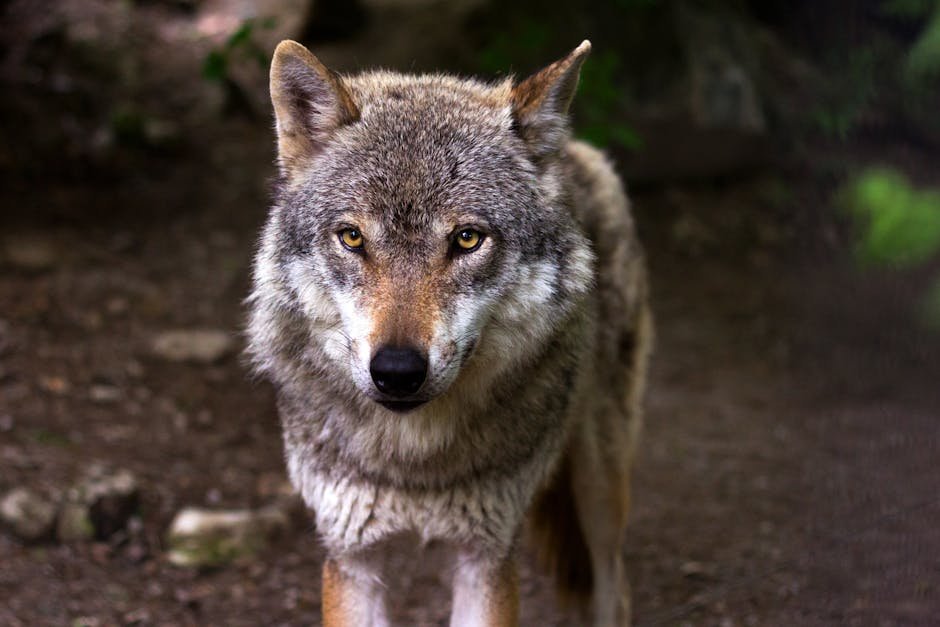
Dire Wolves Back? In California? Whuuut?!
Playing God here? Or just pushing the limits? Right in our backyard, no less. California, man, always first. Tech. Culture. Now, crazy conservation projects. Imagine an Ice Age beast, a total legend, just… roaming. In a fenced-off space. Yep, that’s the bonkers Dire Wolf De-extinction story. Sounds like a movie. But it’s REAL. Science making it happen. Or close enough.
Science Gone Wild: Genetic Engineering and Sci-Fi Stuff
Bringing dead animals back? Sounds impossible. But then genetic engineering. Totally changed things. Scientists aren’t just cloning anymore. Nope. They’re messin’ with genes of living animals. Makes critters that look just like their ancient ancestors. A biological remix. Pretty incredible.
So, no ancient Dire Wolf DNA for a copy-paste job. Not how it went down. Researchers used modern wolf genes. Then they poked and prodded them. Only 20 tiny changes, across 14 genes. That’s enough stuff to give them the Dire Wolf’s look: huge size, giant muscles, that wide jaw. Born by C-section. From big domestic dogs acting as surrogates. Bottle-fed, even. And the pups show mega-strong wolf instincts right away. Seriously, a wild science frontier.
Real Dire Wolf? Or Just a Dressed-Up Gray Wolf?
Colossal, the company doing this? Blew everyone away. Said they brought back the Dire Wolf. Even announced two male pups, Remus and Romulus, then a female, Khalisi. Seriously ancient names. But get this: it’s a huge “but” here. Most scientists? Not onboard with “resurrection.”
What Colossal made? Experts say it’s no Ice Age identical twin. It’s more a synthetic organism. Basically, modern wolves. Just tweaked. Made to look and act like the old ones. And another thing: real research says the ancient Dire Wolf (Canis dirus) wasn’t even close to today’s gray wolves. Diverged millions ago. Maybe closer to jackals. So yeah, Colossal gets headlines. But scientists want proof. Real data. It’s a gray wolf in Dire Wolf clothes. For now.
Why Bother? Seriously, Why Bring Back the Dead?
So, all this effort? Why? It’s not just a crazy experiment. No. What really drives these de-extinction projects? We gotta save our planet’s shrinking biodiversity. Fast. Hundreds of species vanish every year. Poof.
Scientists are learning brand-new tricks. With projects like this Dire Wolf one. Trying to smack down the extinction threat. For today’s animals. Colossal, for example? They’re using these same methods for the critically endangered Red Wolf. Hoping to bring back some lost genetic diversity. So, yeah, lessons from the past. Securing a future. For animals about to disappear.
Holy Moly, The Ethics! Dangers Galore
This wild science? It’s got serious ethical questions. For real. Imagine dropping a “resurrected” species into the wild. Boom. Unintended problems. Remember Australia’s cane toads? Bad idea. Became a disaster. Wiped out local stuff. What if a HUGE predator, like a Dire Wolf—or a mammoth later—just messes up an ecosystem? No way to predict it.
Cloning and gene stuff? Risky. Lots of cloned animals get sick. Immune problems. Organs fail. Age super fast. These aren’t just numbers. They’re alive. Their welfare matters.
And we gotta think about how they live. Social stuff. Dire Wolves? Big packs. Huge territories, miles and miles. These new pups—just two boys and a girl—get a dinky 2,000-acre fenced-in preserve. Does that cramped life really match their wild instincts? Can we give them a good, natural life? Fulfilling? Tough call. Creating life. Then clipping its wings.
Colossal’s Big Plans: Not Just Wolves, Man!
Dire Wolf? Just part of Colossal’s mind-blowing plans. Much bigger animals are next. What about woolly mammoths? Trampling Arctic lands again. Colossal’s shooting for 2026. And they’ve already made mice with mammoth genes! Wild.
Also, the Tasmanian tiger. Unique marsupial. Hunted out a hundred years back. Scientists are working on bringing it back. These projects aren’t just for spotlight animals. No. They gather genetic info to help save their endangered relatives. A super bold vision for wildlife. Reversing time. Trying to save what’s still here.
Can We Even Keep These “Ghost” Animals Safe?
These ancient echoes. Bounding around. Playing in their secret, fenced-in spot. Howling. A sound unheard for 10,000 years. So… is just bringing them back enough? Because it’s a deep question, man. We did the impossible. Life from old, dead genes. But can we make a world good enough for them?
Our planet is still getting messed up. By us. Can we really, truly give these resurrected animals a safe, natural home? Especially when we can’t even protect the ones already here? The Dire Wolf coming back? Not just a science article. It shows our responsibility. To the wild. Gotta make things right. For all of California’s animals. The new ones, the old ones.
Your Burning Questions, Answered (Kinda)
So, what is a Dire Wolf, anyway?
The Dire Wolf (Canis dirus) was a giant nasty predator. Roamed North and South America way back during the Ice Age. Way bigger, way more muscle than today’s gray wolves. Had huge heads. Jaws like crushing machines. Kicked the bucket about 10,000 years ago. Their main food, mega-prey like mammoths and giant bison, disappeared. Climate change. Rough deal.
How’d Colossal make these “Dire Wolves”?
No pure ancient Dire Wolf DNA, that’s for sure. They tweaked modern wolf genes. Made 20 specific changes. Across 14 genes. Gave them Dire Wolf traits. Implanted these engineered embryos into special domestic dog surrogates. Who then birth ’em via C-section. Simple.
What’s the problem with bringing them back, ethically speaking?
Big ethical headaches: Unknown ecological chaos if released. Long-term health stuff. Cloned animals often get sick, fast. Immune troubles. Organ defects. And can we actually meet their social needs? These guys should be in big, wild packs. Not a fenced-off park. Tough questions.