Giant Boats with Atom Power: Russia’s Arctic Play & China’s Ocean Moves
Heard about those weird floating nuclear plants? Yeah, two huge countries are building cities on ships with nuclear stuff. Wild, right? Not your pop’s power grid, this. We’re talking Floating Nuclear Power Plants. Super complicated tech, much more than just lights. Both Russia and China, chucking major cash into these mobile energy titans. And the reasons go way beyond simple electricity.
Powering the Unreachable: Why FNPPs Make Sense
Picture it. Beyond remote. Just frozen solid. Think temperatures below -50 degrees Celsius, sun never shows, and fierce winds mean wind turbines? No way. Even coal, oil, fail. Ice blocks fuel ships. Months! So, how’s anyone staying warm? Or seeing?
That’s where Floating Nuclear Power Plants (FNPPs) step in. Made for wilds. Don’t need town stuff. You tow ’em, hook ’em up. Boom! Instant, reliable power and heat. Smart move for places cut off. Old power sources? Just can’t hack that kinda lonely.
Russia’s Arctic Gambit: The Akademik Lomonosov
Okay, 2008. Russia starts building their big floating plant. The Akademik Lomonosov. Big boat. Like, huge. 144 meters long, 30 wide. 21,500 tons. Has 300 crew. Cost? A cool 500 million Euros. Seriously.
Jump to 2019. That thing sailed 5,000 kilometers. Icebreakers helped. Off to Pevek. This small, stuck-out northern Russian town? Only about 4,000 residents. Well, it got power from the FNPP in 2020. Straight up beast. Puts out 70 MW electric, wild 300 MW heat. Uses enriched uranium in its KLT40S reactor. Powers and warms. Cogeneration, they call it.
So, the punchline? By 2025, the Akademik Lomonosov will give Pevek 60% of its electricity. Ground’s always frozen there. Building stuff? Nightmare. But this mobile monster? Changing things for real.
More Than Just Power: Russia’s Strategic Play
But come on. You really think a country dumps 500 million Euros to power a town of 4,000 people just for kicks? Nah. Russia’s Arctic game is much bigger.
Under all that ice? Unproven, but untouched treasures. Gold. Copper. Rare stuff. Huge oil. Getting that out needs tons of steady power. The old ways? Not enough. FNPPs? Perfect.
And another thing: The Northern Sea Route. Up top, by Russia. Getting easier to use. Warming world, right? It’s an Asia-to-Europe shortcut. Way shorter. 14,000 km, 35 days. Suez? 21,000 km, 48 days. Russia thinks this is HUGE. But, even thawed a bit, need icebreakers. They need gas. So, more FNPPs down that route? Instant fuel stops. Helps Russia own that trade path. They’re putting four more in by 2031, making Pevek just stop one.
China’s South China Sea Ambitions
Hold up, Russia ain’t alone. China’s cranking up its FNPP program. Why? To solidify their place. And build up military bases in that crazy busy South China Sea.
For China, these mobile nuclear plants aren’t just peaceful power. Nope. It’s steady, self-sufficient juice for far-off islands. Some fake, even. Military posts. They’re even dreaming up nuclear cargo ships in their plans. Big power play, right? Countries using these FNPPs to boss around the oceans.
The Engineering Behind the Power
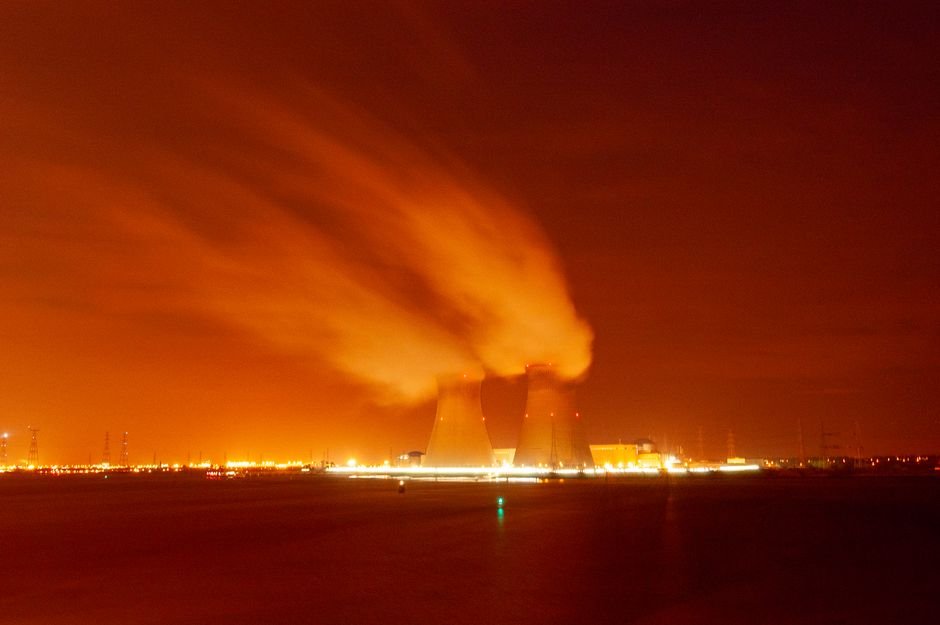
Okay, so how they work? FNPPs are brilliant machines. Use a small nuclear reactor, like the KLT40S. Loaded with enriched uranium. Splitting atoms makes crazy heat. Boils water, makes steam. That steam pushes turbines. Power!
But wait, there’s more. Leftover heat? Usually just tossed. But here, they catch it. Send it straight to cities for warmth. Cogeneration, it’s called. Super clever. Two for one energy. So good for freezing temps when you need power AND toasty houses.
The Hella Complicated Legal Waters
Alright, these things are big deals. But what about when nuclear reactors are floating? It gets messy. Fast.
Say an FNPP crosses a border. Who steps up? Accident in open water? Who pays? Not small questions, those. Nuclear screw-ups are serious. Boats moving around? Total nightmare for rules.
The International Atomic Energy Agency (IAEA), the global nuclear cops, actually say they don’t have good rules for mobile nuclear power plants. This regulatory grey area is a massive elephant—or perhaps a nuclear-powered barge—in the room, and it means the legal challenges are far from settled.
Frequently Asked Questions
So, what’s an FNPP, anyway?
It’s basically a nuclear reactor. On a boat or barge. They tow it to out-of-the-way spots to give them power, heat. It moves. Doesn’t need all the local setup like other big power plants.
Where’s Russia’s first FNPP hanging out?
That Akademik Lomonosov? Russia’s first one. It’s chilling in Pevek. A tiny, faraway city way up in Russia’s Arctic region. Supplying power there since 2020.
Okay, besides power, what’s in it for Russia and China?
For Russia, FNPPs are key to getting to all that Arctic treasure: gold, oil, crazy rare stuff. And to control the Northern Sea Route. Big shortcut for trade. For China? Super important for their presence. Powers up military bases in the tricky South China Sea.