How Diamond Cutting Discs Work: Made, Types & Stuff They Cut
Ever seen a crew slice through concrete like butter? Or wondered how marble countertops get those perfect edges? Nope. Not a laser. It’s all thanks to precision diamond cutting discs. These things look basic. But seriously, real genius tools. They rip through the toughest stuff known to humanity. Super precise. Crazy efficient. Whole construction and manufacturing game? Changed. And yeah, it’s a hella important thing to know how they tick.
What’s the Big Deal with Diamonds?
Ditch those standard abrasive discs that just grind, grind, grind away. And wear down in minutes. Diamond discs? Built different. Their power to slice through crazy hard materials like concrete, asphalt, granite, and even some metals, it’s all because of the actual industrial diamonds slammed right into their cutting edge. Not the bling you wear, though. Nope. These are for serious work.
Instead of burning things, diamond discs essentially scratch and remove material. Big difference. This gives you a much cleaner, faster cut. Way less effort for whoever’s using it, too. The real big deal kicked off in the mid-20th century with synthetic diamonds. Before that, natural ones were just too rare, too pricey. Not for factory work. But once engineers cracked the code to grow diamonds in a lab? Pow. A whole new world of cutting power opened right up.
Not a small change. A revolution. Engineers got quick. Figured out how to get these lab diamonds into metal mixes. That’s how we got the first real diamond cutting discs. Construction sites, detailed stone shops. Anywhere. The raw power and spot-on accuracy of these new tools changed everything.
How They Make ‘Em Strong (It’s Called Sintering)
So, how do they actually get these tiny diamond bits strong enough to cut rock? The magic, it happens in the making. Specific process? Sintering. Picture it: the disc itself, two main parts. A seriously strong steel plate. And then that cutting edge where the real diamonds live. That’s the big deal. That’s what makes the difference.
Making that edge? Starts with picking certain metal powders: cobalt, nickel, iron, copper. These metals? Picked for how they stick to stuff. And engineered to wear down just right, always showing new diamond bits as the disc does its job. Industrial diamonds, yeah, smaller. Not for your bling. But perfectly suited for heavy-duty cutting. And these diamonds get mixed real good with that metal powder.
The making usually goes through two big steps after that: cold pressing, then hot pressing. That’s the real sintering part. First up, this diamond-metal mix goes into molds. Gets squashed under crazy high pressure. That squishes the powder, gives it a first shape. But nope. Not tough enough yet.
And then comes the really important part: hot pressing, or sintering. That part they pre-shaped? It gets heated to super hot temperatures—we’re talking 700 to 1200 degrees Celsius, often—all while staying under pressure. Brutal conditions, man. In this heat and squeeze, the metal particles melt and stick together. They end up holding the diamonds tight within a tough metal mix. This is when the cutting head gets super dense, super hard. And, most important, it gets its ability to really hold those diamonds tight while cutting. After all that sintering, these diamond bits are either laser-welded or brazed right onto the steel disc body. Bam. Complete tool. Precision. Key. A crappy weld, or a bad metal mix, can ruin the whole thing.
Disc Types: Pick the Right One
Not all diamond cutting discs are made equal. Nope. There’s a lot out there. Each type is made for one job, giving you better results and how clean the cut looks, totally depending on what you’re slicing. But the three you’ll see most? Segmented, continuous rim, and turbo discs.
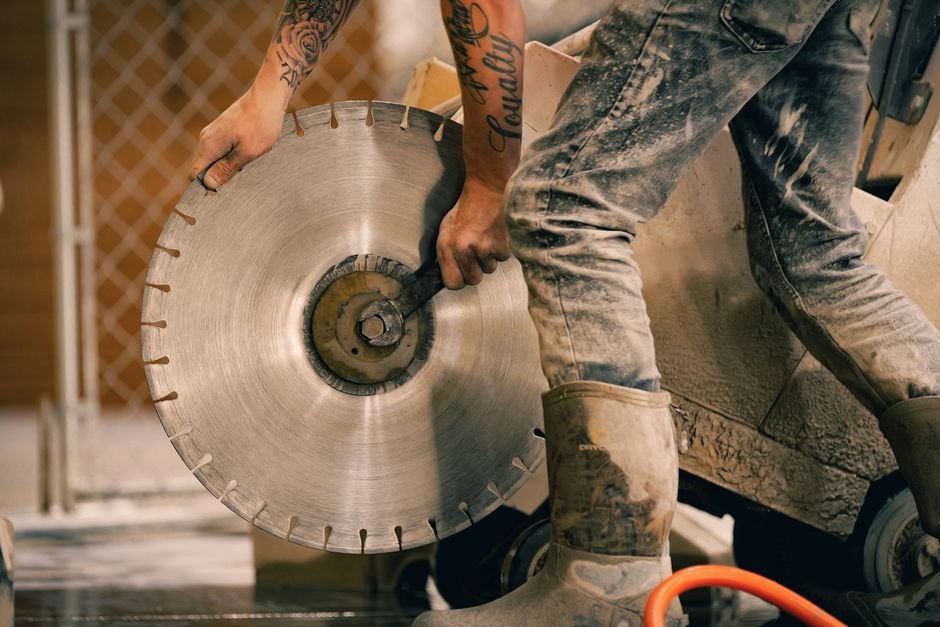
Segmented discs. Easy to spot. They have these distinct gaps, or “segments,” all along their edges. Not just for looks, those gaps. They help cool things down when you’re cutting. And get rid of dust and junk. Because they’re great for tough, fast cuts on materials like concrete, masonry, brick, asphalt. Basically, anywhere you don’t need it perfect.
Continuous rim discs? The smooth operators of the diamond cutting disc family. They’ve got this smooth edge, no breaks. Totally unbroken. This design gives you a super smooth, clean cut, with hardly any chips. Perfect for materials where a perfect finish is everything. Stuff like ceramics, porcelain, marble, granite. Oh, and you’ll often see these used with water cooling. Keeps ’em cool. Makes for a real precise cut. Total pro move, that.
And finally, we’ve got turbo discs. They’re a mix of both types. Got a wavy edge that tries to get the speed of segmented discs with a cleaner finish. These are all-around good tools. Works for lots of stuff: concrete, different stones, some ceramics. They offer a good mix of cutting speed and how good the cut looks. Listen up: Choosing the right disc for the material is make-or-break for a successful job and, more importantly, for operator safety. Seriously. Don’t just grab any disc. Read the damn label!
Where You See ‘Em: Everywhere!
Diamond cutting discs? Total real workhorses for tons of industries. Construction sites? They’re everywhere. Slicing reinforced concrete, carving channels in asphalt for pipes. Making exact spots for plumbing. Even helping with controlled demolition. Without these? Many buildings we see? Way longer. Cost hella more.
In the fancy stone business, working with marble and granite? Diamond discs are the star of the show. They cut giant slabs. Shape countertops just right. Sculpt flooring. Cut cladding perfectly. All those smooth, accurate cuts you see in the natural stone making our homes pretty? All because of these discs.
Also, they’re really popular for putting in floor coverings, ceramic tiles, and porcelain. Precision? Crazy good. They make sure every single piece fits perfect. And get this: even in restoration work, art projects. Where accuracy is super important. Diamond discs come in handy. Some special ones, made with cool metal mixes, can even cut hard metals. Like cast iron or ductile iron pipes. Shows how much they can do. Pretty wild, right? So much tough, good work depends on tiny carbon crystals.
Why They’re Awesome: The Upsides
The perks of using diamond cutting discs? Tons. Shows why pros use them everywhere. First off, durability. Huge factor. Regular abrasive discs? Wear out fast. Need constant replacing. But diamond discs, because diamonds are super tough? They last way longer. That means serious time and money saved. In the long run.
Also, their efficiency. Can’t be beat. These things slice through hard materials way faster. Less effort from the operator, too. Gets jobs done faster on any site or workshop. Precision? That’s another big plus. Diamond discs give clean, even cuts. Waste less material, make it look good every time. Super important for jobs needing a perfect fit. High-end flooring, making countertops. You get the idea. The ability to cut so many different super hard materials? Total game-changer. Almost no other tool can do that.
The Downsides & How to Stay Safe
For all their good stuff, gotta get this: diamond cutting discs aren’t some kinda magic fix-all. They need certain rules followed. For them to work good, yeah, but more important, for your safety. One big limit? They’re definitely not for cutting soft stuff. Like wood, plastic, or regular metals. Use one on soft material? Super hot disc, wears out fast. Even bad accidents.
Always make sure you choose the correct disc for the material you’re cutting. Wrong disc? Cut bad. Damage the material. Or even wreck the disc itself. Cooling? That’s a big thing. Lots of diamond cutting discs are made to use with water. Seriously, they need water. Water not only cools the disc, making it last longer. It also cuts down dangerous dust big time. Blow off these tips? Disc will overheat. Deform. Cut like crap.
And, of course, safety always comes first. Period. Don’t skimp on safety gear: safety glasses, gloves, hearing protection? Not optional. Ever. Always follow the maker’s guide, both for the tool and the disc. The engineering behind these discs is amazing, no doubt. But knowing their boundaries, using them right? That’s what keeps everyone safe. And gets the job done. Right.
FAQs You Might Have
Q: So, why diamond discs over regular grinding discs?
A: Easy. Diamond cutting discs last way longer. Super tough. Use real industrial diamonds, the hardest stuff there is. Plus, they cut way faster. Way more precise. Cleaner cuts on hard materials. Regular discs just wear down. Fast.
Q: What’s this “sintering” thing when they make ’em?
A: Sintering. That’s the main way they’re made. It’s when they mix those industrial diamond particles with a metal mix—like cobalt, nickel, iron, whatever. Cold press it first. Then hot press it like crazy, 700-1200°C! This fuses the metal particles, holds the diamonds in tight. Creates those tough cutting parts.
Q: Can I cut anything with a diamond disc?
A: Nah, careful there. These discs are for super hard stuff only. Think concrete. Granite. Ceramics. Definitely not for soft things like wood, plastic, or common ferrous metals. Do that? It’ll overheat the disc, wreck it fast. And can be dangerous. Picking the right disc? Super important.