Global Creation Myths: Science, Symbolism, and Way Back When
Ever try to sort out humanity’s tangled beginnings? Forget Sunday school. Or those quick science bits. Seriously, dive into comparative mythology and BAM! You see it. We’re all asking the same huge questions. Where did we come from? Why are we even here? This whole search? It’s intense. Real deep. And it spans thousands of years. From old Sumerian tablets to holy books, answers aren’t simple. Not even close.
Born of Dirt, Just Like Us
Being made from earth or clay? Not just an Abrahamic belief. Far from it. All over the world, everywhere. Like Chinese goddess Nuva whipping up people by the Yellow River, or Mayan gods, after a “clay-people fail,” mixing cornmeal and blood. The idea is potent. Hopi Native Americans tell of tons of creations from earth after big disasters. And Greek myths? Prometheus made us from clay.
These aren’t just sweet stories. Big meaning here. Experts like Samuel Kremer and Jean Botero say that “earth” in old Sumerian tales isn’t just plain dirt. It talks about a core physical thing. Think sperm. Or DNA. This mingling of clay with “divine fluid” or “sacred waters” in these accounts? Might be like fertilization. The literal spark of life.
And because it’s wild, the Quran, usually kinda quiet on such specifics, says Adam was made from clay. Then his family kept going from “insignificant fluid”—yep, sperm again. Such a cool spot where old stories and real science link up. And that woman figure, a “great mother” like Sumerian Ninursag? She shaped things. Basically, birthed them. Womb stuff, fertility. It’s all there, literally sewn into the words.
Eve’s Rib: Total Rerun?
Okay, we all know it. Adam’s lonely. God takes a rib. Makes Eve. But here’s the kicker: “Eve” isn’t even in many good Quran translations. It’s “Adam and his wife.” And “Adam” by itself? Means “humankind” or “red earth” in old Sumerian. So, like, a whole species. Not just one guy.
And another thing: that famous rib story? Pretty sure it’s straight-up from Sumerian tales. One day, Enki, the god of wisdom, eats a forbidden plant. Get sick. One sore spot? His rib. So Ninursag, life goddess, makes Ninti to fix him. Check this out: “Nin” means “lady,” and “Ti” means both “rib” and “life” in Sumerian. So Ninti = “Lady of the Rib” and “Lady of Life.” Boom.
Sound the same? Yep. This was the OG. Thousands of years before Torah’s Eve. Scholars pretty much say Jewish scribes, when building their own holy books, just revamped these Sumerian tales. Accidentally or on purpose. Putting women in a bad light. It’s wild. Not about creating humans. About healing a god. See these old links, and how they totally flip what we think happened.
Lilith: Power, Rebellion, and They Tried to Erase Her
Seriously, talk about getting built up, then torn down hard. Lilith, often called a baby-killing demon succubus, actually started way more independent. Early on, in Sumerian stories like Inanna and the Hulapu tree, Lilith was just an “owl”—quiet, creepy, maybe a sign of wild stuff coming.
But then Abrahamic religions hit. BOOM! Jewish tales (like Torah, Book of Ben Sira) feature her as Adam’s first wife. Same time. Same clay. Equal. But Lilith saw herself as Adam’s real equal. She wanted to be “on top” in, well, everything. Adam said NOPE. Fights, maybe even violence. Lilith, total rebel, said God’s secret name. And she flew right outta Paradise. First rebel ever. Claiming her own spot.
So she refused to play along. Big trouble. God sends angels to get her. She still says no. Chooses life with demons down by the Red Sea. Has kids with archangel Samuel (AKA Satan). Her punishment? Her children die every single day. And her promise to get back at Adam and Eve’s offspring? That locked in her rep as this child-killing monster. This story, passed down through the ages, basically made female independence and marching to your own drum seem evil. Proves how old figures and types get warped. Just to make people follow rules.
And for a lot of people, especially women’s rights supporters, Lilith now means self-respect. Real power. A good balance to that quiet, motherly Eve. It just shows how guy-driven setups have messed with stories. To keep women down. Turning strong symbols into bad guys.
Heaven and Hell: They Change All the Time
Heaven and hell. Those final spots. Not set in stone. Nah. They’re just ideas. Ways of thinking. Shaped by people over thousands of years. Sumerians imagined Dilmun. A perfect garden. No sick people. For gods. Then, after a grand long time, for good humans too. Their underworld, Arallu or Irkalla? Just a dark, dreary waiting room. No real punishment.
Ancient Egypt brought in the Aaru fields for good souls. Hearts weighed against Maat’s truth feather. Their hell was way more real: fiery tunnels, scary beasts like Apophis eating bad guys. Over in the East, Hinduism and Buddhism saw these places as temporary stops. Just part of the cycle. Based on karma. Not forever homes. Meanwhile, Greek myths split Hades. Elysium for heroes. Tartarus for eternal pain. That totally shaped Christian hell.
But Abrahamic faiths? Smart folks. They saw what was out there. Grabbing and tweaking many of these ideas. Early Judaism’s Sheol was kinda murky underworld. It grew into Gan Eden and Gehinnom. Thanks, Zoroastrian stuff. And Christianity? Cranked up hell with fire and pain. Pulling more from Dante’s “Divine Comedy” than the Bible. Using fear to keep folks in line. Islam nailed down heaven (Jannatul Mawa, gardens, rivers) and hell (super detailed suffering). Pretty much like Zoroastrian and Egyptian descriptions. So, yeah. Not new ideas. Just old cultural tunes. Retold.
Paradise and Purgatory: Were They Real Places?
What if heaven and hell aren’t just poetry? What if they were, like, actual places?
That Sumerian Dilmun. Perfect garden, where humans supposedly started. Not just a made-up place. Get this: 400,000 years ago, the area around modern Bahrain and Qatar? A super green, lush spot. Rivers Tigris and Euphrates met right there. Basically, a real garden paradise. The whole “four rivers from paradise” thing in the Torah? Might just be a old vibe from this very actual, ancient land.
And hell? Remember “Gehinnom” from Jewish belief? That’s not some far-off place. It’s the Valley of Hinnom. Just southwest of Jerusalem. This valley got “cursed.” Because old pagans did child sacrifice there. To the god Moloch. Tossed kids alive into fire. Yikes. And then over ages, that horrible human act, the Valley of Hinnom, changed. Became the scary, fiery hell we know now. Pretty messed up to think about. Humans made their own hell. Right here. With their own terrible stuff.
The hunt for paradise is still on. Archaeologists think the Garden of Eden could be where Iraq, Iran, and Turkey meet. Or maybe paradise was just the totally awesome life and peace Neolithics found with farming. More deep stuff: modern psychology says heaven and hell are just how our minds feel. Love and peace. Or pure fear and despair. Or, even crazier, maybe heaven and hell are spaceships. Or VR games by super-smart aliens. Wild speculation. But the real story? Way more complex than anyone’s single belief.
Evolution, Creation, and Our Big Mystery: God’s Plan or a Mutant Leap?
Are we from monkeys, or Adam? That traps us. A false choice, you know? Evolution isn’t just about Darwin. It’s this whole massive science story. From ancient India’s change philosophies to Anaximander and Empedocles back in Greece, who said life came from water and natural selection. Those ideas sprouted early. Al-Jahiz, a smart guy in 776 AD, even wrote about natural selection and environment stuff. A thousand years before Darwin. Crazy.
What Darwin did, though? He just watched it. Wrote down this “law of evolution.” Like the finches in the Galapagos. Yeah, “law.” Not just a “theory.” Experiments with E. coli bacteria over 70,000 generations. Fruit flies too. They show species change. Adapt. Pass it on in their DNA. That weird tendon in your wrist (the Palmaris longus)? Some people don’t have it anymore. Because that’s evolution doing its thing. Leftover from tree-dwelling apes.
And because it matters, the “theory of evolution” just tells how the law works. Natural selection. Genetic drift. All that. But then us: Homo sapiens. We just popped up. About 400,000 years ago. Sure, older hominids walked tall and made tools. But our jump in smart thinking, talking, solving stuff? Huge. Real different. Our brains aren’t even bigger than Neanderthals’. But the connections? The capacity for big ideas? Exploded. Why? Just… why?
Now, creationism. Let’s be real, people often get it wrong. The whole “everything made 6,000 years ago” thing? From one 16th-century Irish bishop’s Torah math. Totally false. Göbeklitepe alone is 12,000 years old. True creationism, for many faiths, is just a Creator who set up the universe. And how it works. Theistic evolution, what Human Genome Project boss Francis Collins believes, says God started the system. And evolution, a holy law, made life. Including us, with our unique moral and spiritual abilities.
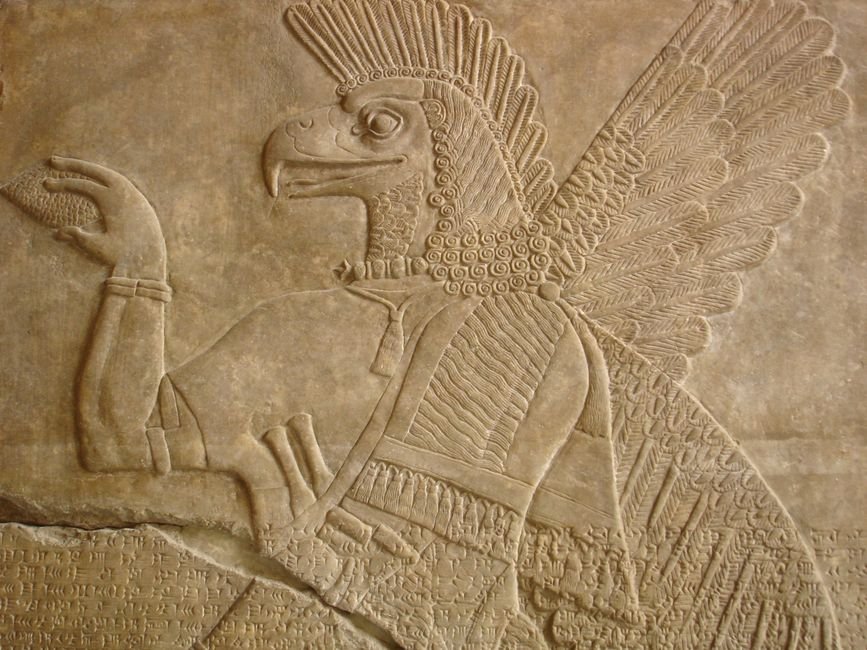
But the “missing link” for Homo sapiens? Still gone. Was it just some random gene mix? Made us think abstract thoughts instead of just being strong? Or, getting wild, did some “space civilization” build us? Mix early human DNA with theirs? Like those Anunnaki tales? We still have body bits from our “ape ancestors”—tailbone, weird third eyelid. Makes “made from scratch” way harder to believe. So you gotta think our start is a mashed-up thing. Divine plan. Space aliens. And evolution doing its twists.
Cracking the Code: You Gotta Look for Yourself
Plain as day, folks. Those “absolute truths” we hear about creation or what happens after death? Not simple. Not at all. They’re stacked with fresh takes, borrowed ideas, and messed-up symbols. What’s most vital? What’s always vital? Go do your own digging. Don’t just read one book. Or listen to one podcast.
Check every single thing. Hit up the holy books. Old myths. Science papers. Don’t let yourself get into that “just believe what you’re told” vibe. Where you just repeat stuff without asking. Real faith and real science? They both get better when you ask questions. When your mind’s open. They don’t make you choose sides in some ancient, boring fight. They just want you to think.
FAQs (Quick Hits)
So, why are so many old stories saying humans come from ‘earth’ or ‘clay’?
It’s about a core physical thing. Scholars think it’s like sperm or DNA. Just shows we were made of stuff.
That Eve’s rib story, where’d it really come from?
Looks like it got its start from a super old Sumerian story. About the goddess Ninti. She helped heal the god Enki’s sore rib. Ninti literally means “Lady of the Rib” AND “Lady of Life.” Wild, right?
Were Heaven and Hell, from like, Abrahamic religions, actual places?
People think so. “Hell,” that Jewish Gehinnom? That’s the Valley of Hinnom in Jerusalem. Bad stuff happened there. Like child sacrifice. And “Heaven” or paradise, like Sumerian Dilmun? Could’ve been super green places. Back in the day.