Stop the Drama: Using Psychology for California Group Travel
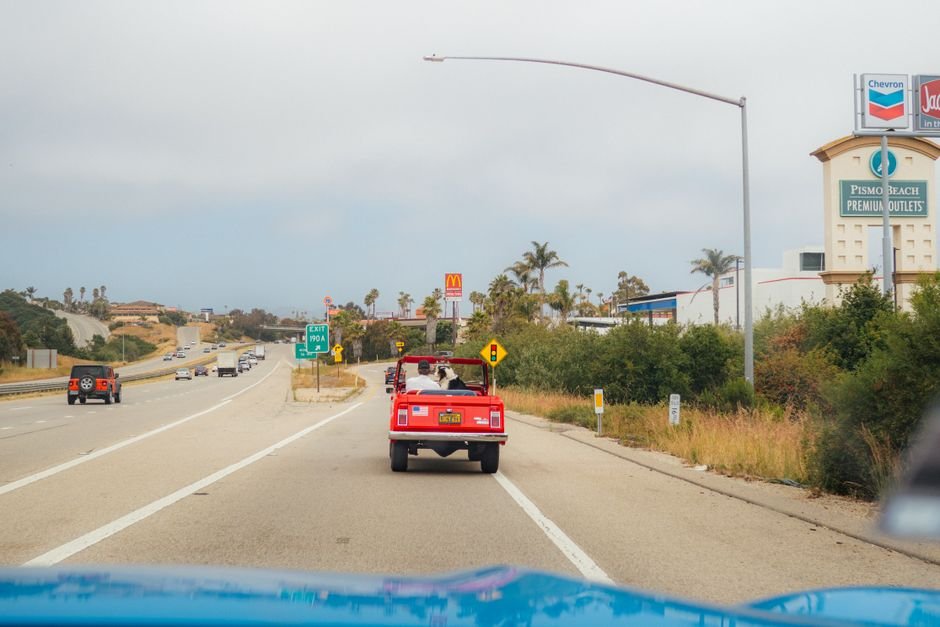
Ever planned a California group trip—maybe a coastal road trip, a Tahoe ski weekend, or theme park chaos—only to watch the good vibes vanish fast? Like Malibu morning fog. You start with smiles, bright and sunny. But soon, tiny things? Who gets the window seat. Which activity. Even snack choice. All this can blow up into an “us vs. them” mess. Not just a bad trip, no. It’s actually a deep dive into California Group Travel Psychology, kinda mirroring a wild old experiment. Turns out, knowing a little about people can totally save your next Golden State adventure from hella drama.
A bunch of decades back, a super smart guy, Muzafer Sherif, a Turkish-American social psychologist, did this big study. Maybe you know it? The Robbers Cave Experiment. He just wanted to find out how people form into groups, how they fight, and how they make up. What he discovered? Big lessons. Especially for anyone planning something together across our huge California.
Why sharing scarce stuff makes your group fight (just like Robbers Cave taught us)
Sherif’s setup involved 22 boys, 11 and 12 years old. Strangers, all of ’em. He split them into two teams: the Rattlers and the Eagles. At first, each group just got to be themselves, made their own rules, picked their own leaders. Think of your own crew: who’s the natural boss? Who plans everything? Who’s always cracking jokes?
And then, boom, competition. Baseball games. Tug-of-war. Even just setting up their tents. Researchers even messed with things, like making sure one group inhaled all the lunch before the others even showed up. This wasn’t just tiny squabbles. Hostility flew off the rails. Soon, name-calling turned into legit threats. Flags got burned. Cabins got raided. Beds flipped. Stuff stolen!
Yeah, this exact stuff can absolutely happen when your crew hits the California road. Who bags the cushiest Airbnb bed? Which restaurant wins out, chosen by the loudest opinion? And who always gets shotgun for Highway 1’s scenic cruise? These aren’t just preferences. They become resources. And fighting over them? Turns friends into enemies faster than you can shout “traffic on the 405!”
Just hanging out together won’t fix anything
So, after all that craziness, the researchers tried to “make nice.” They put the Rattlers and Eagles together for chill activities: movie nights, group meals, even plant collecting. The idea? That being close and sharing some fancy-ish times would naturally spark friendships.
Big failure. Instead of everyone bonding, these shared moments often became food fights. More insults. Increased animosity. Trying to force a peaceful vibe? It can truly backfire when all that tension is still just simmering underneath.
You know those super awkward group dinners? Everyone’s polite, but you can feel the tension. Booking a stunning wine tasting in Sonoma or an epic hike in Big Sur won’t magically wipe away the budget arguments or the fight over the day’s plans that happened earlier. Shared pleasantries alone? Often just mask the problem. Or even make it worse.
Set up “team challenges” for your California adventure
But here’s the big lightbulb moment. Sherif brought in “superordinate goals.” These were straight-up problems. Neither group could solve them alone. Nope. Had to work together.
One time, the camp’s water stopped working. Both groups needed water. So. They had to team up to find the blockage (which the experimenters had conveniently stuck in there). Another challenge? Pooling money to see a movie everyone wanted. But no one could afford it by themselves. And another thing: a supply truck was stuck in mud, meaning no food for anyone.
Each of these shared crises? They brought the groups together. Collaborating. Talking. They celebrated successes totally as one.
This is your ultimate travel hack for California group trips. Don’t just book stuff. Set up situations that demand cooperation. Plan a tough navigation task in a national park! Organize a fun scavenger hunt to find a secret beach spot. Give everyone a piece of the logistical planning for a multi-day journey. Even rescuing a misplaced key or cooking a weird meal together in a rental. That can become the thing that unites everyone.
Make your travel group feel like a team
From day one, those boys quickly made their own group identities. This natural human tendency isn’t bad. It’s just how we are. The issue pops up when these identities clash hard under competitive pressure.
But once those “superordinate goals” finally hit, the hostility just disappeared. The groups weren’t Rattlers and Eagles anymore. They were “campers.” With a shared purpose. They helped each other pack! Sat together on the bus home! They even pooled their prize money ($5 reward!) to buy milkshakes for everybody. A united front, a real good feeling of togetherness.
So, when you’re off on your California adventure, you gotta make sure everyone feels like a “shared team” right from the start. Frame challenges as “our group’s mission.” Make decisions as a group earlier on, give everyone some ownership. When friction starts? Pivot. Make it a shared problem. This channels our basic human need for group identity into something collaborative and positive.
Ditch the drama with these Robbers Cave tricks
The Robbers Cave Experiment isn’t just an old story. It’s a huge help for dealing with people. It showed that group fights often start from scrambling for limited stuff, not just bad personalities. And another thing: it gave us a direct way to fix things. Just introduce shared problems that force collective action.
So, next time you’re planning a Golden State trip with friends or family, don’t just hope for the best. Play a little social psychologist yourself. Actually plan for shared challenges and common goals in your itinerary. This simple little shift can change potential trouble into truly unforgettable bonding moments. Your group travel? Harmony, not rivalry. Everyone gets on that bus home happy. Maybe even sharing a root beer in Santa Monica.
Got Questions?
Q: What really started the fights between the groups in the Robbers Cave experiment?
A: Conflict and that “us vs. them” vibe mainly happened because they were all fighting over limited resources. Like food, or who won activities, or even who was cooler. Not just because of existing personality beefs.
Q: Did nice shared activities stop the hate between rival groups?
A: Nah. Just putting the groups together for pleasant, shared stuff like watching movies or eating meals together often didn’t do much good. Sometimes it even made them madder.
Q: What was the best way to unite the groups and get them working together?
A: Bringing in “superordinate goals”—common problems or exciting challenges that needed all group members to work together to solve something everyone needed—was the most effective strategy for good vibes and friendship.