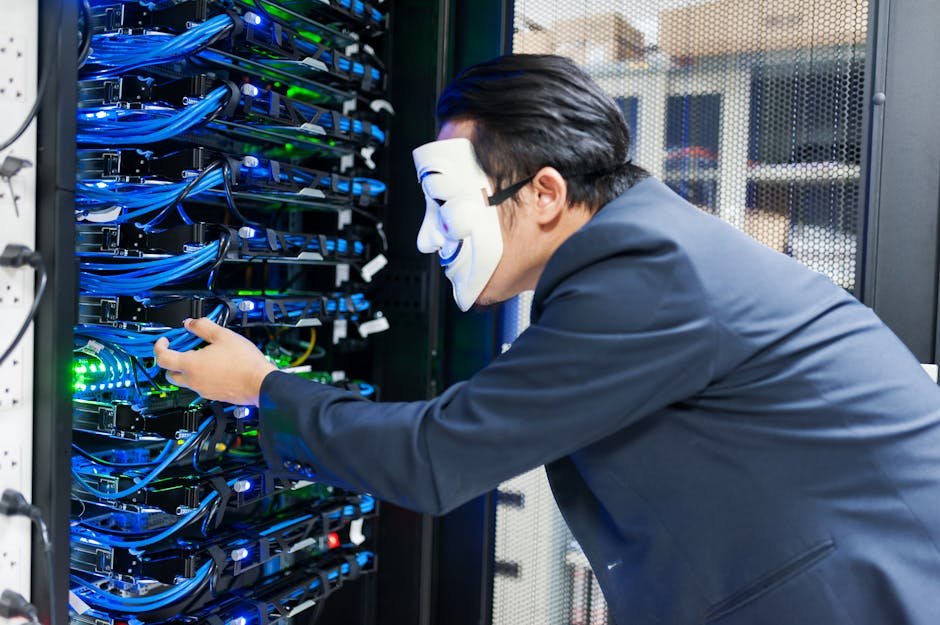
Silent Threats? More Like Actual Dangers: What Cyber War Means for California’s Infrastructure and Your Travel Plans
Remember 2021? Leaked documents from a big Chinese cybersecurity firm hit the internet. Pulled back the curtain on a shadow war. Think quiet screens, hackers clicking away in fluorescent-lit rooms. Not sleeping. Just sneaking in. No forced doors, no alarms blaring—just in.
And honestly? This isn’t just about stolen data. This is about deep, persistent access to our most basic stuff. We’re talking active infiltration of critical U.S. West Coast infrastructure. Power grids. Water systems. Airport control. The whole shebang. Because it’s so quiet, it’s hella hard to detect. This isn’t just some abstract threat. No, this directly impacts California Infrastructure Security. A constant, escalating problem.
They’re In: Chinese State-Sponsored Groups Are Inside Critical U.S. West Coast Infrastructure – Power Grids, Water Systems, Airports – And We Often Don’t Even See ‘Em
Signals started showing up here, on the U.S. West Coast. Power grids. Water treatment plants. Airport control systems. All had this weird, same pattern. Like someone’s watching everything, but from inside. Nothing forced, no alarms triggered. But they’re there. They call it “noise in the silence.”
Some U.S. phone operator got hit too. No files gone. Nothing crashed. They just looked. This sneaky, just-watching approach? Classic new cyber warfare. It’s not about blowing stuff up right away. It’s about knowing everything, watching, and then, you know, doing something later.
Remember those leaked documents from Aysun? Seemed like a small Chinese security firm. Turns out, it’s part of a huge “shadow army” for the Chinese government. Chats showed they got into mail servers. Not just in, but lurking, watching emails. Then in 2023, Microsoft and the FBI said: yeah, this Chinese hacker group, Volt Typhoon, they’re inside U.S. critical infrastructure. And these guys? So good. No bad software left behind. They just used what was already there on the system.
These Sneaky Operations Aim for Long-Term Access to Shut Down Important Services. Think Blackouts, Water Issues, and Totally Ruined Vacations
Their goal? Totally obvious. Get deep into these critical systems. Be ready to flip the switch if they need to. Think about it: blacked-out power grids. Dirty water supplies. Communication networks completely down. Not just “what ifs.” China’s military is actually planning for this stuff. Strategic options, they call it.
Attacks aren’t flashy, quick destruction. It’s about being deep inside, watching everything, then acting exactly when they want. And the impact? Total domino effect. Scary. Attack a water plant? Mess with water flow. Crisis mode, really.
Power grid collapse. Picture it. Hospitals, oil refineries, the important stuff. All gone, one after the other. Remember that Volt Typhoon attack on Guam? Hit telecommunications, federal, military networks. Big warning sign, right there. And honestly, it makes you wonder if our military could even respond fast enough when things go south. The whole vibe these silent breaches give off? Pure, calculated patience.
Hackers Use Advanced Tricks — Like ‘Living Off the Land’ (Using Your Own Tools) — And Exploit Weak Spots Found in Government-Backed Contests. Almost Impossible to Catch ‘Em
Volt Typhoon hackers? Yeah, they totally nailed “living off the land.” They use the system’s own tools. Pretend they’re just a regular admin. Sneaky stuff. No planting viruses from the outside. They’re a damn shadow, inside. Hella hard to spot. Their actions just look like everyday computer work.
And another thing: China also has these huge government-backed hacker competitions. Since 2004? One hundred twenty-nine of these events. And way more after 2013. Big ones, like the Wang Ding Cup, get tens of thousands of people trying to find software weaknesses. Not just for prize money. It’s a huge talent grab.
Researchers at these things find weak spots. Electric vehicle chargers. Self-driving car autopilots. Everything. Chilling, right? Your car gets hacked, say, at a charging station. Then it spreads to other cars. Pwn2Own used to get all the top Chinese hackers. But then China banned their teams. In 2018. Why? Because any bugs found? Now for China. Not for us.
So, China started its own stuff. Like the TianFu Cup. Everything found there? Straight to Chinese intelligence. Researcher finds some crazy iPhone flaw in one of these? It’s gone. Straight to the police. For spying. Not just cybersecurity. This is a whole new front. Spying. Digital war.
China’s Poured TONS of Cash into Cyber Stuff. National Security, Global Rivalry. It’s a New Digital War, And Everyone’s Gonna Feel It
Edward Snowden exposed stuff, right? And the Arab Spring showed the internet’s power. So China, big time, invested in cyber. Especially after Xi Jinping took charge in 2013. Their hacking program today? Bigger. Than all other major nations combined.
Our tech sector, phones, internet, that’s taken 50-70 years to grow. China’s done it in 20 years. Crazy fast. It’s not that they’re totally better, tech-wise. It’s the sheer number of operations. And how they systematically get in everywhere. This? A war without front lines. No guns. But it can hit as hard as any bomb. Lights out. Phones dead. Hospitals can’t function. And you’d never see the enemy.
Not Exactly a Travel Guide Here, But Listen Up: Know About These Threats for Your Next California Trip. Prepare for Stuff to Break
A cyberattack causing lights-out disasters? Totally real. Scary. Electricity grid goes down. Refinery loses power. No fuel. Backup generators? Eventually dead, too. Wipes out hospitals fast. And other super important services. When traveling in California, always consider how local infrastructure disruptions could affect your plans. Have a backup plan. For power outages. For phones not working. For services gone. Offline maps. Emergency numbers. What if cards don’t work? Think about it.
Global Cyber Tensions Are Non-Stop. Threat Levels Change All the Time. So Stay Aware, Both Online and In the Real World
These worldwide tensions? They show up as crazy cyber spying. And totally destructive attacks. Recently? They hit phone companies, government stuff in India, Malaysia, Taiwan. Plus, the British government and think tanks over there. Last year, actual reports showed two Chinese government-backed groups in U.S. infrastructure. Microsoft’s Salt Typhoon? They broke into the U.S. Treasury. And big telecom networks. Verizon, AT&T, Lumen. That stuff.
But another group, Volt Typhoon, the FBI found them. Actively infiltrating critical infrastructure. They’re busy. Experts think those attacks on Guam’s military and federal networks? All part of a big, strategic cyber war plan. And another thing: hackers might never be fully expelled from these systems. Western governments are pushing for rules, new laws, for this digital fight. But gosh, time’s running out. War already started.
Frequently Asked Questions
Q: “Living off the land?” What’s that?
A: “Living off the land?” Okay, so it’s when hackers just use the computer’s own stuff. They don’t bring in their own bad software. Makes it super hard to catch them. Because they just blend in like normal.
Q: China stopped its hackers from global contests like Pwn2Own? Why?
A: Back in 2018, yeah. Simple reason: they wanted all those newfound software weak spots to serve China. Not for Western companies or governments. Makes sense, I guess.
Q: Power grid attack? How would that mess up other critical things?
A: Everything goes down. Total domino effect. No electricity, so water plants stop. Hospitals too, once their backup fuel runs out. Communications crash. Oh, and fuel refineries? Kaput. No gas, no diesel. Whole infrastructure just shuts down. Yikes.