Zombie Galaxies? Yeah, they’re a real thing. What about the Milky Way?
Zombies aren’t just for movies. Nope. Out there, in space? Things get totally weird. Astronomers are seriously talking about Zombie Galaxies. Picture this: something looks totally dead. Should be dead. But then, bam! It’s making new stars. What in the cosmic heck is that? And what’s it mean for our very own Milky Way? A wild idea, no doubt.
Galaxies die too. Total bummer
Look, galaxies go through a whole cycle. Birth, life, then out they go. Kicked off about 13.7 billion years ago, with the Big Bang. Hydrogen filled everything. Huge clouds of that hydrogen, gravity doing its thing, finally lit up with fusion. That’s where the first stars happened.
Millions, even billions, of these new stars began pulling on each other. Formed the first galaxies. Total cosmic infants, those. So much potential. To grow, a galaxy has to use up its raw hydrogen fuel, transforming it into stars. Burns through that energy.
But nothing keeps going forever. As galaxies get old, that loose hydrogen starts vanishing. Yeah, sure, some giant stars explode – supernovae! – and sling some new hydrogen back out. Good for smaller, longer-lasting stars. But eventually? The tank’s empty. No more giant star explosions, no more fresh hydrogen. The galaxy just can’t make new ones. So, its existing stars kinda just cool down. Becoming white dwarfs. Neutron stars. Black holes. The whole thing just fades. A ghostly shadow.
How to tell if a galaxy is old? Just look at its color
You can definitely judge a galaxy by its cover, or, well, its light. Young, fresh galaxies, packed with star production, blast out this bright, energetic blue. That’s how scientists know there’s a ton of hydrogen and gobs of energy ready to cook.
Middle-aged galaxies, like our very own Milky Way? They usually show a mix of white and yellow. Pretty chill. A sign of a more settled, mature setup. But when a galaxy goes orange, then deep red? Yikes. Total cosmic death sound. A red galaxy usually means old news. Stopped making stars. Energy slowly draining out. It’s kinda backward for us earthlings, thinking red means hot, but in space, blue is where it’s all happening. The hottest, most active color.
So, what’s a Zombie Galaxy anyway?
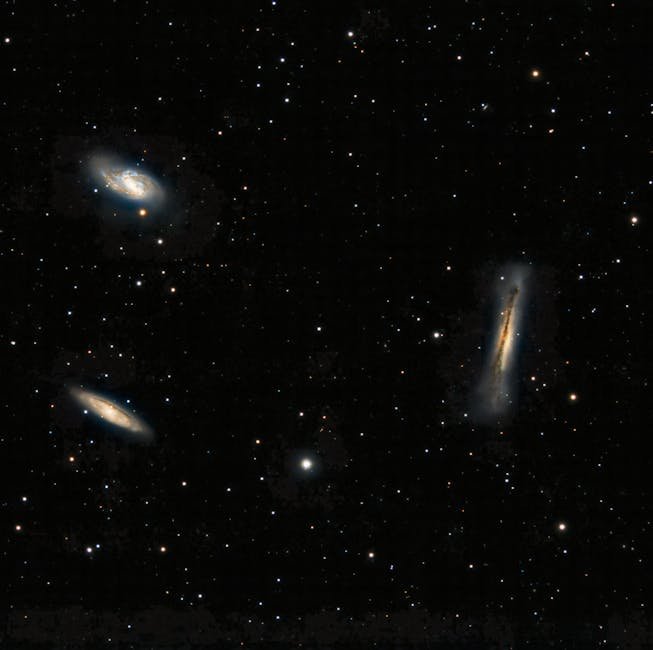
Okay, here’s the truly creepy part. Plenty of galaxies fit the “dead” description: red, dim, totally done making stars. Then, bam! Some of these supposedly expired galaxies start doing something totally unexpected. They’ll glow with weird yellow or green light. Or, even wilder, show clear signs of new stars forming.
These are the Zombie Galaxies. The ones that are supposed to be dead and gone, right? But somehow, they’re still pumping out new life when they absolutely shouldn’t have any fuel left. Scientists have been scratching their heads about these undead cosmic oddities for roughly 50 years. How does an exhausted, practically frozen galaxy suddenly find a burst of new energy, with no normal hydrogen reserves or giant star explosions in sight?
So, how do they do it? Get ready for… Galactic Cannibalism
Space? It’s a brutal spot. Sure, some wild theories whisper about dark matter doing something. But most astronomers are totally leaning into something we see happening all the time: cosmic cannibalism. Just think of an ancient, giant beast in space.
A big, old galaxy — you know, one that’s totally out of gas — doesn’t just politely fade into nothing. Instead, its crazy strong gravity starts yanking in smaller, fresher galaxies just hanging out nearby. And these little galaxies? They’re usually young. Bursting with hydrogen. Perfect for cranking out new stars. When the bigger, “dead” galaxy chows down on one of these smaller systems, it slurps up all that raw stuff. All that energy. And then it uses that stolen hydrogen to totally jump-start its own star production, basically bringing itself back to life! It’s a nasty survival strategy, but it works.
Not just talk, either. We’ve seen this happen. Galaxies smashing into each other? Happens constantly. And it’s super clear: the bigger ones just straight-up gobble their smaller neighbors.
Wait, was the Milky Way a zombie at some point?
So, is our own galactic hood a zombie? Our Milky Way galaxy, all white-to-yellow? Yeah, it’s definitely middle-aged. No cosmic hospice for us just yet. But, some astronomers throw out this wild idea: the Milky Way might have a zombie past.
The general thought is that our galaxy kept its high energy and star-making mojo for so long precisely because it was also a cosmic gobbler. What’s the proof? Observing some weirdly moving star clusters and streams within the Milky Way suggests those might actually be the digested guts of smaller galaxies our own home galaxy munched down eons ago.
The Milky Way’s Future? We’re Dinner for Andromeda
So even if the Milky Way was a big ol’ cosmic gobbler, its own future is pretty much written. And it involves us getting eaten. Our neighbor, Andromeda galaxy? It’s rocketing straight towards us. This isn’t just some close call. Nah. It’s a massive, unavoidable smash-up. All gonna happen over the next few billion years.
Andromeda is a lot bigger than the Milky Way. When these two cosmic monsters collide? It’s gonna be an absolute show for the ages. Our solar system? Probably gets tossed around like a bouncy ball. Maybe even flung right into deep space. And while, yeah, it might form a new “super-galaxy,” Andromeda’s greater mass totally means it’ll win. Absorbing the Milky Way right into its giant structure. It’s the ultimate big fish eats bigger fish story. Always something else out there, even for the biggest players.
Quick Questions, Quick Answers
How do they figure out how old a galaxy is?
Easy. Scientists look at its light, mostly. Blue light? Young, energetic, making stars. Red light? Older, stopped making new stars. White and yellow light means kinda middle-aged.
So, what makes a “Zombie Galaxy”?
It’s a galaxy that looks dead. Red, probably. But then starts making stars, even without fuel. Freakin’ defies nature, frankly. Total head-scratcher for astronomers.
What’s gonna happen to the Milky Way?
Right now, middle-aged. But it’s on a crash path with the ginormous Andromeda galaxy. And in a few billion years? Andromeda eats us. Forms one giant “super-galaxy.” Yikes.